What Is an AML Check for Crypto Wallets?
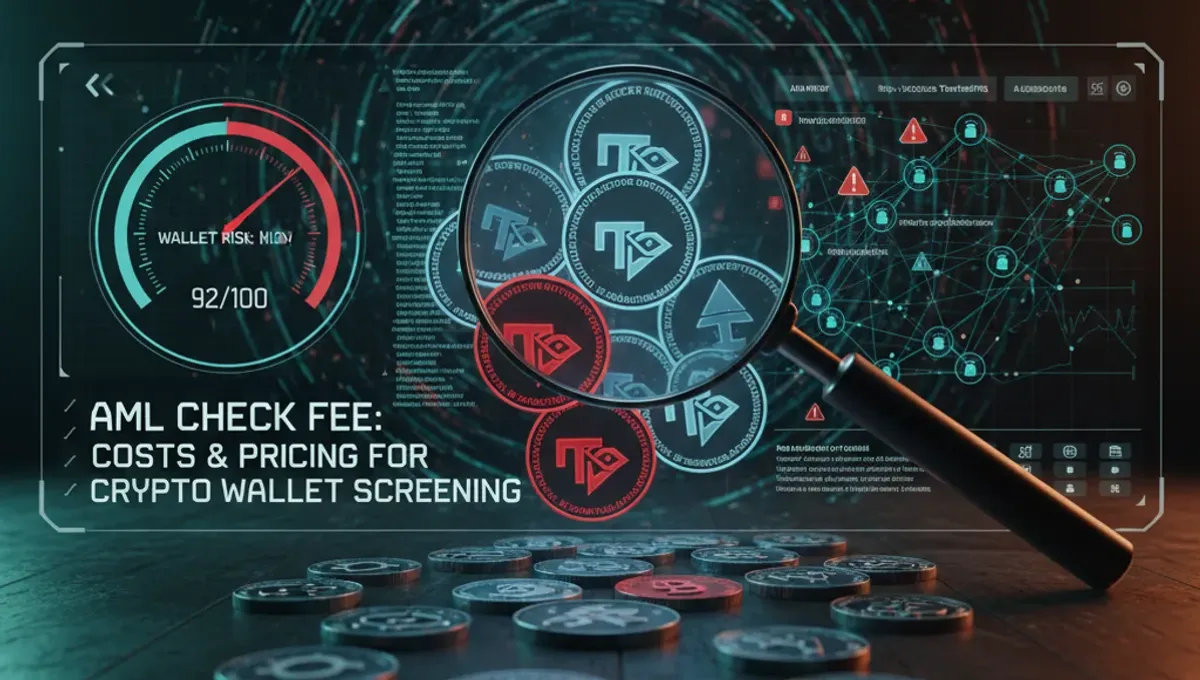
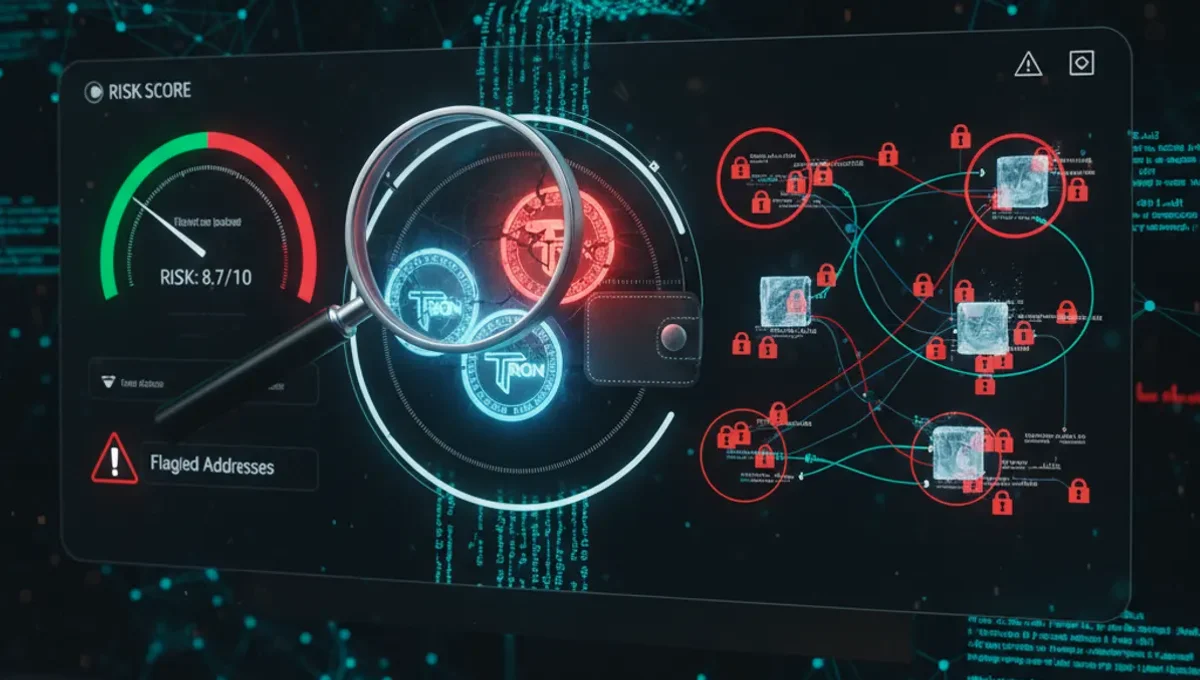
An AML check crypto wallet is a compliance scan that examines a wallet's transaction history and linked addresses to assess risk. The check cross-references the wallet against sanctions lists, known darknet markets, theft databases, and transaction patterns associated with money laundering or fraud. The result is a risk score—typically ranging from low to critical—that tells you whether the wallet is safe to receive funds from or if it carries compliance red flags. AML checks are performed using blockchain analytics, which traces the flow of coins across the ledger and identifies suspicious patterns. Unlike a simple balance lookup, an AML check requires deep analysis of the wallet's entire history, including where coins originated and how they've moved through the blockchain.
Why AML Check Requirements Matter for Your Business
Receiving coins from a flagged wallet can trigger exchange freezes, account bans, or regulatory scrutiny. Many exchanges enforce strict AML check requirements: if you deposit USDT or BTC that's linked to theft, sanctions, or mixing services, the exchange may lock your account pending investigation. This happens because exchanges themselves must comply with anti-money laundering regulations and face penalties if they process tainted funds. For businesses and traders, running an AML check before accepting deposits is now standard practice. It protects your reputation, prevents operational disruptions, and ensures you're not inadvertently handling proceeds from illegal activity. Even a single deposit of compromised coins can trigger a full account review.
Step-by-Step AML Check Process for Crypto Wallets
- Collect the wallet address (TRX, USDT TRC20, BTC, or ETH) you want to screen.
- Visit a trusted AML screening service—our curated list of verified AML services on this site includes tools that specialize in wallet screening and KYT risk scoring.
- Paste the address into the search field and initiate the scan.
- Wait for the analysis to complete (typically 10–30 seconds).
- Review the risk score, transaction history, and any flagged activity (mixer exposure, darknet links, sanctions matches).
- Check the detailed report for specific risk categories: stolen funds, sanctioned entities, gambling platforms, or mixing services.
- Decide whether to accept the deposit based on your risk tolerance and compliance policy.
- Document the AML check result for your records—many exchanges and regulators expect proof that you screened deposits. The AML check process is straightforward but critical; skipping it exposes you to frozen funds and account restrictions.
Understanding AML Check Risk Scores and Thresholds
Risk scores typically fall into four categories: low (green), medium (yellow), high (orange), and critical (red). A low-risk score means the wallet has clean transaction history with no known exposure to theft, sanctions, or darknet activity. Medium risk suggests minor flags—perhaps the wallet received coins from a mixing service or has limited transaction history—but is generally acceptable for most businesses. High-risk wallets show significant exposure: direct links to known theft, multiple mixer transactions, or connections to sanctioned entities. Critical-risk wallets should be rejected outright; they are almost certainly involved in illegal activity. Most compliance-conscious businesses set their acceptable threshold at low to medium risk. The specific threshold depends on your regulatory environment and risk appetite. If you operate in a heavily regulated jurisdiction, you may only accept low-risk wallets. Startups or peer-to-peer traders might tolerate medium risk but should never accept high or critical scores.
What Happens When You Receive Flagged or Tainted Coins
If you deposit USDT or BTC flagged as tainted, several outcomes are possible. The exchange may freeze your account immediately pending investigation, requiring you to provide proof of the coin's origin and your compliance procedures. If the coins are linked to theft or sanctions, the exchange will likely permanently ban your account and may report you to financial authorities. Your funds could be held indefinitely or seized. Even if the exchange doesn't freeze your account, you may find it impossible to withdraw or trade the flagged coins—many exchanges will reject them on their own compliance checks. To avoid this, always run an AML check before accepting deposits. If you've already received flagged coins, contact your exchange's compliance team immediately, provide documentation of your AML screening procedures, and explain that you were unaware of the risk. Transparency and quick action can sometimes mitigate penalties, but prevention is far more effective.
AML Check Fee and Cost Comparison
AML check fees vary widely depending on the service and volume. Some services offer free checks with limited detail—typically showing only a basic risk score without full transaction history. Premium services charge per check, ranging from a few dollars to $20+ per wallet, and often offer volume discounts for businesses screening hundreds of wallets monthly. Enterprise solutions provide unlimited checks and real-time monitoring for a monthly subscription. For occasional users, free or low-cost checks are sufficient; for high-volume operations, a subscription model is more economical. When comparing AML check services, consider not just the fee but also the depth of analysis, speed of results, and integration with your existing systems. Our verified AML services list on this site includes options across all price points, so you can find a tool that matches your budget and compliance needs. The cost of an AML check is negligible compared to the risk of a frozen account or regulatory fine.
How to Avoid Receiving Tainted Coins and Dirty Crypto
Implement a simple pre-deposit screening protocol: always request the sender's wallet address before accepting funds, run an AML check on that address, and only proceed if the risk score is acceptable. Educate your team on red flags: unsolicited large transfers, offers that seem too good to be true, or pressure to accept deposits quickly without verification. Be especially cautious with USDT TRC20 and Tron addresses, as they are popular for mixing and low-cost transactions that attract bad actors. If a sender refuses to provide their wallet address or becomes evasive when asked about the coin's origin, decline the transaction. Maintain a record of all AML checks you perform—this documentation protects you if regulators or exchanges question your compliance practices. Use the trusted services on our AML services page to establish a consistent screening workflow. Over time, this becomes routine and significantly reduces your exposure to dirty crypto and frozen funds.
Frequently asked questions
What is an AML check fee for crypto wallets?
AML check fees depend on the service. Free checks offer basic risk scores; premium services charge $5–$20 per check or offer monthly subscriptions for unlimited scans. Volume discounts are common for businesses. The fee is worth the cost to avoid frozen accounts and regulatory penalties.
How long does an AML check process take?
Most AML checks complete in 10–30 seconds. The service scans the wallet's transaction history against sanctions lists, theft databases, and darknet markers. Some detailed reports may take a few minutes. Real-time screening is standard on trusted platforms.
Can I do a free AML check on a crypto wallet?
Yes, some services offer free basic checks showing a risk score and summary. However, free checks often lack detailed transaction history and risk category breakdowns. For serious compliance, a paid service provides more thorough analysis. Check our AML services list for free and paid options.
What does a high-risk AML score mean?
A high-risk score indicates the wallet has significant exposure to theft, mixing services, sanctioned entities, or darknet activity. You should reject deposits from high-risk wallets. Critical-risk wallets are almost certainly involved in illegal activity and must be avoided entirely.
What happens if I receive tainted coins?
Exchanges may freeze your account, ban you, or seize the funds. Contact your exchange's compliance team immediately with documentation of your AML screening procedures. Transparency and quick action can sometimes mitigate penalties, but prevention through pre-deposit checks is essential.