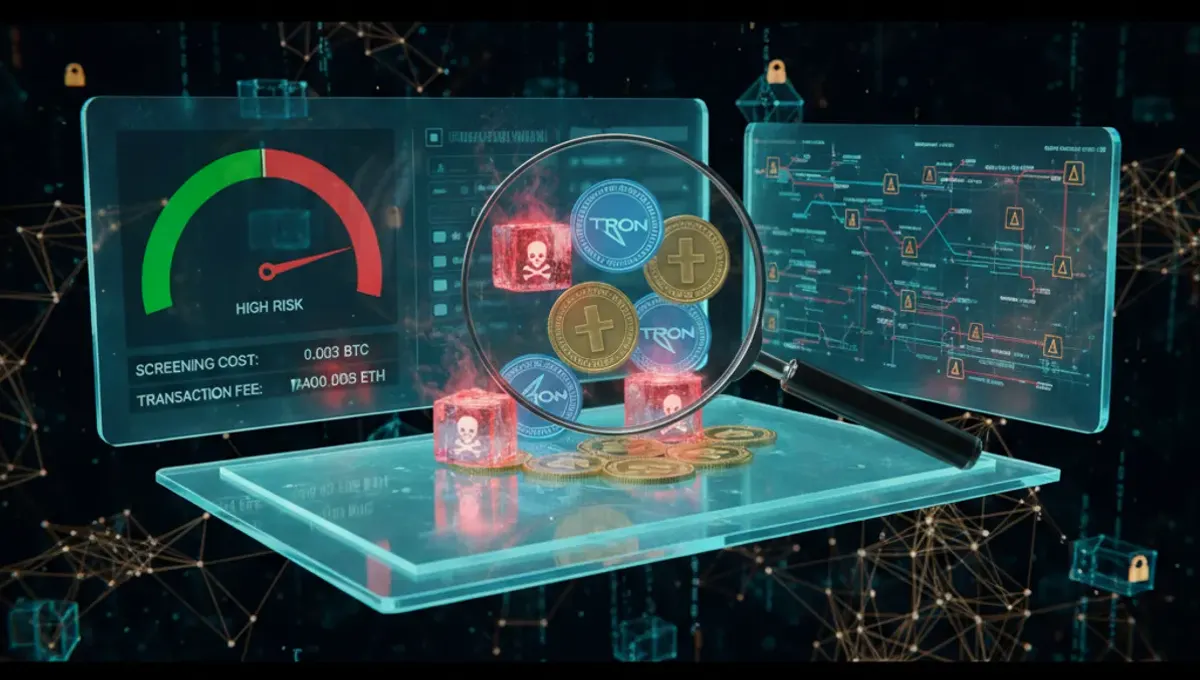
What Counts as Suspicious Activity in Crypto AML
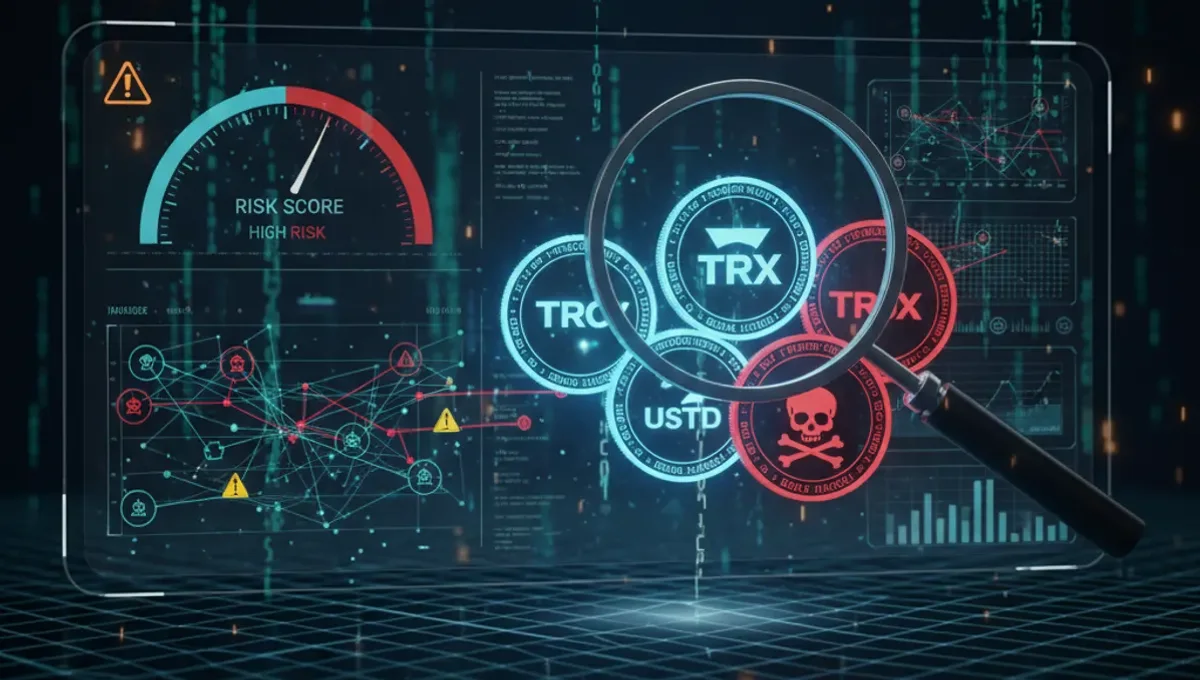
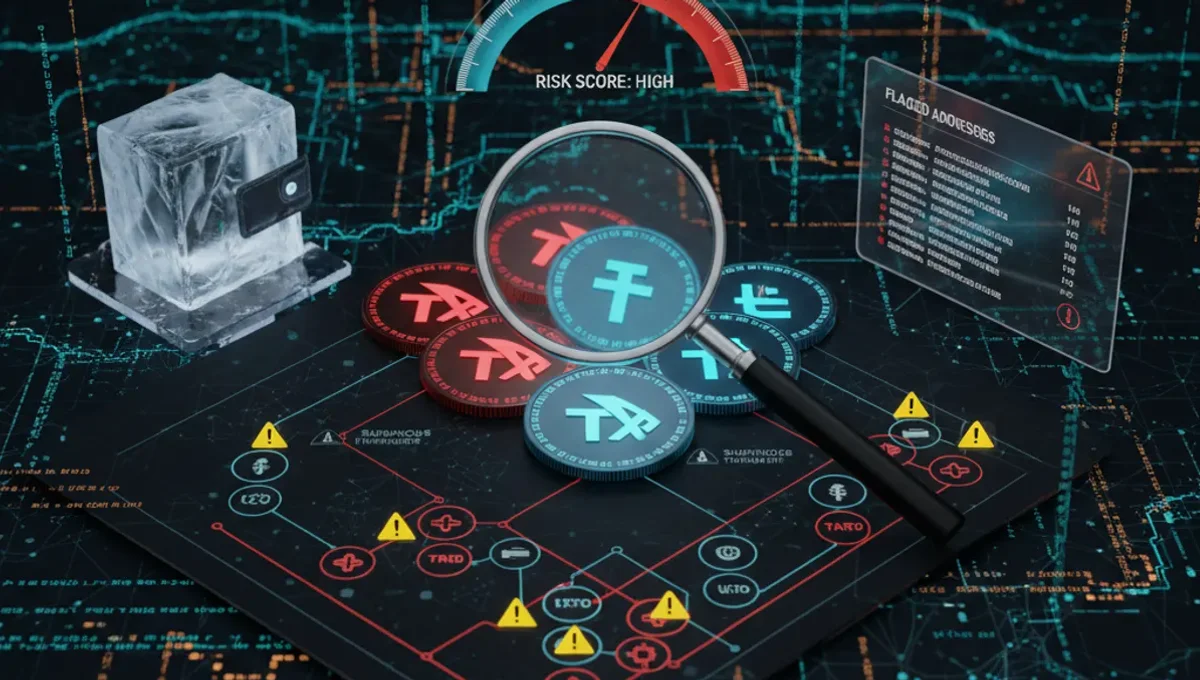
Suspicious activity in cryptocurrency encompasses behaviors that deviate from normal transaction patterns or indicate illicit intent. Common examples include funds originating from darknet marketplaces, mixing services that obscure transaction trails, and wallets linked to sanctioned entities or stolen cryptocurrency. Rapid consolidation of small deposits into large transfers, frequent circular transactions between the same addresses, and sudden spikes in transaction volume also raise red flags. Exchanges and compliance platforms flag these patterns because they suggest an attempt to obscure the source or destination of funds—a core money laundering technique. When you receive crypto from a wallet exhibiting these behaviors, your own account becomes associated with the risk, potentially triggering freezes or mandatory reporting by your exchange.
Darknet Market Connections and Illicit Marketplace Links
Darknet marketplaces are a primary source of suspicious activity alerts. Wallets that have received funds directly from known darknet markets—whether for drugs, stolen goods, or other contraband—are flagged immediately by blockchain analytics. These connections are tracked through public blockchain records; once a wallet touches a darknet address, that taint persists and spreads to any wallet that receives funds from it. Similarly, wallets linked to illegal gambling sites, ransomware payment addresses, or phishing scams trigger high-risk classifications. The AML check process identifies these links by cross-referencing wallet addresses against maintained databases of known illicit services. Even a single transaction from a compromised darknet wallet can mark your received coins as tainted, making them difficult to deposit or trade on regulated exchanges without triggering compliance reviews.
Mixing Services and Coin Tumbler Activity
Mixing services (also called tumblers or coin mixers) are designed to break the transaction trail by combining and redistributing cryptocurrency. When a wallet sends funds to a mixer, the output addresses are deliberately obscured from the input—a classic money laundering technique. AML systems flag any wallet that has interacted with known mixers as high-risk because the obfuscation itself suggests an intent to hide the fund source. The AML check requirements now include screening for mixer interactions as a standard red flag. Even if the original funds were legitimate, the act of mixing them signals an attempt to conceal their origin, which compliance systems treat as suspicious. Receiving USDT or TRX from a wallet with mixer history means your deposit may be held for manual review or rejected outright by your exchange.
Stolen Funds and Ransomware Payment Addresses
Stolen cryptocurrency is one of the most serious AML suspicious activity categories. When funds are traced back to a known theft—whether from a hacked exchange, compromised personal wallet, or ransomware attack—they are permanently marked as tainted. Ransomware payment addresses are particularly sensitive; wallets that have received ransom payments are tracked by law enforcement and compliance teams globally. If you receive coins from a ransomware address, even indirectly through multiple transfers, the taint follows the funds. The AML check fee and AML check process exist partly to screen for this exposure. Blockchain analytics firms maintain databases of known theft and ransom addresses, and these are cross-referenced during wallet screening. Depositing stolen crypto can result in immediate account freezes, asset seizure, or legal complications depending on your jurisdiction.
Sanctions List Matches and Restricted Entity Exposure
Wallets belonging to or controlled by sanctioned entities—individuals, organizations, or countries under international sanctions—represent a critical AML suspicious activity category. Compliance platforms screen wallets against OFAC (Office of Foreign Assets Control) lists and equivalent international sanctions databases. If a wallet is linked to a sanctioned entity or has received funds from one, it triggers immediate alerts. This applies to crypto wallets associated with sanctioned jurisdictions, terrorist organizations, or designated individuals. The AML check requirements mandate this screening before any transaction is processed. Receiving even a small amount from a sanctioned address can expose you to regulatory penalties and account restrictions. Exchanges perform these checks automatically; a sanctions match will typically result in a frozen account and mandatory reporting to authorities.
Rapid Consolidation and Unusual Transaction Patterns
Behavioral red flags also indicate suspicious activity. Rapid consolidation—when many small deposits are suddenly combined into a single large transfer—mimics the structuring technique used to evade reporting thresholds. Similarly, circular transactions where funds move between a set of addresses repeatedly without clear economic purpose suggest an attempt to create confusion or launder funds through apparent activity. Sudden spikes in transaction volume from a previously dormant wallet, or funds moving through dozens of intermediate addresses before reaching you, are also flagged. These patterns don't necessarily prove criminal intent, but they trigger enhanced AML check requirements and manual review. When you receive crypto from a wallet exhibiting these behaviors, compliance systems may hold your deposit pending further investigation, even if the funds themselves are not directly linked to crime.
How to Protect Yourself: Screening Wallets Before Receiving Crypto
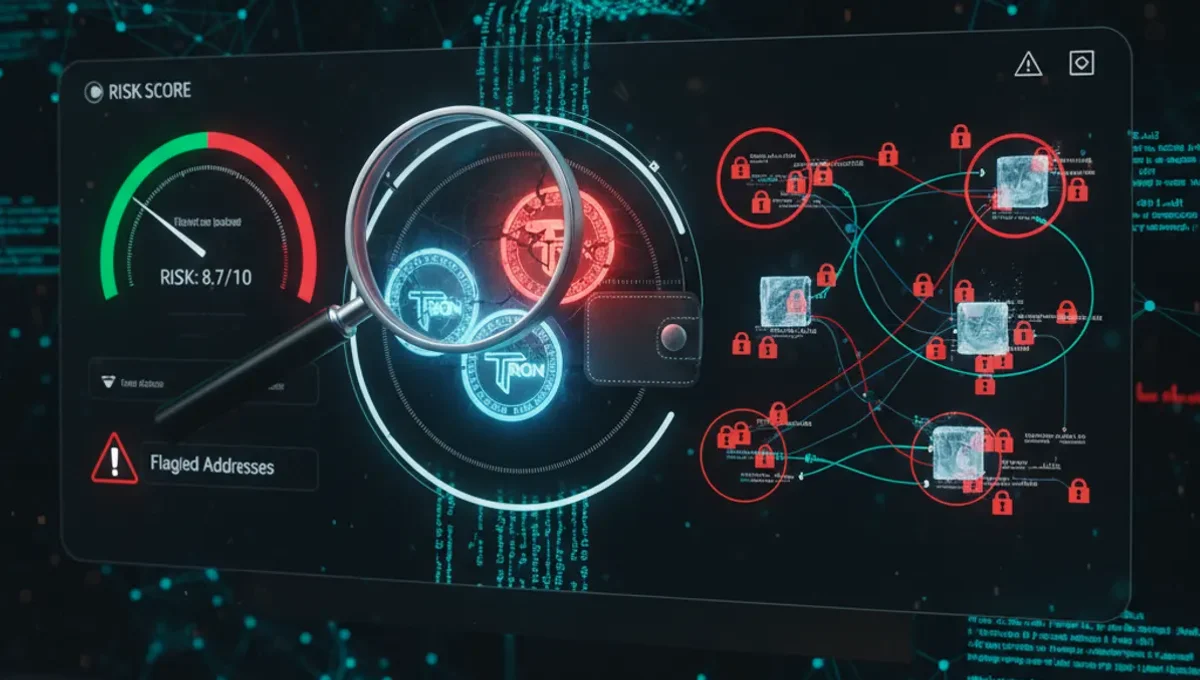
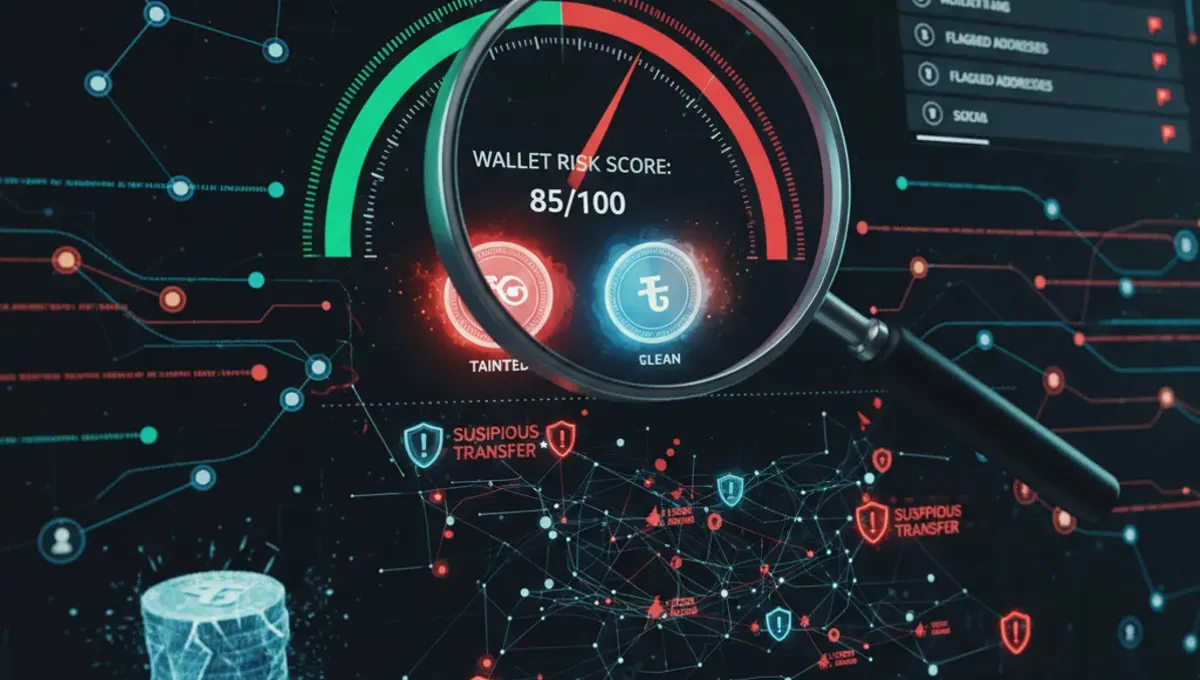
Before accepting USDT, TRX, or Bitcoin from any source, perform an AML check on the sending wallet. Start by using the verified AML services listed on our AML Services page—these tools provide risk scores, sanctions screening, and darknet exposure checks in a single query. Enter the wallet address and review the risk score: addresses scoring below 20 are generally safe, 20–50 warrant caution, and above 50 indicate high risk. Check for specific red flags: darknet connections, mixer interactions, theft history, and sanctions matches. If the wallet shows any high-risk indicators, decline the transaction or request funds from an alternative source. The AML check fee is typically minimal (often free for basic checks), making it a worthwhile precaution. By screening wallets proactively, you avoid receiving tainted coins and protect your exchange account from freezes or compliance holds.
Frequently asked questions
What is an AML suspicious activity report?
An AML suspicious activity report (SAR) is filed by financial institutions when they detect transactions or patterns that may indicate money laundering, sanctions evasion, or other financial crimes. In crypto, exchanges file SARs when wallets show red flags like darknet connections, mixer use, or stolen fund links. These reports are submitted to regulatory authorities and create a compliance record.
Can I receive crypto from a high-risk wallet?
Technically yes, but it carries significant risk. Receiving funds from a high-risk wallet can mark your own account as suspicious, triggering freezes, mandatory reviews, or account closure by your exchange. It's safer to decline transactions from wallets with high AML risk scores or request funds from an alternative source.
How long does taint stay on cryptocurrency?
Taint persists indefinitely on the blockchain. Once funds are linked to suspicious activity—theft, darknet markets, or sanctions—that association follows them through every subsequent transaction. Even if you receive tainted coins years later, they retain their risk classification and can trigger compliance alerts.
What AML check fee should I expect?
Basic AML checks range from free to under $5 per wallet. Premium services with detailed reports and ongoing monitoring cost more. Many compliance platforms offer free tier checks with limited data, making it affordable to screen wallets before accepting deposits. Check our AML Services page for verified options.
Does mixing crypto make it untraceable?
Mixing obscures the immediate transaction trail, but advanced blockchain analytics can often trace funds through mixer outputs using statistical and behavioral analysis. More importantly, the act of mixing itself is flagged as suspicious by AML systems, making mixed coins higher-risk regardless of whether they're fully traceable.