What Are Crypto Transaction Monitoring Tools?
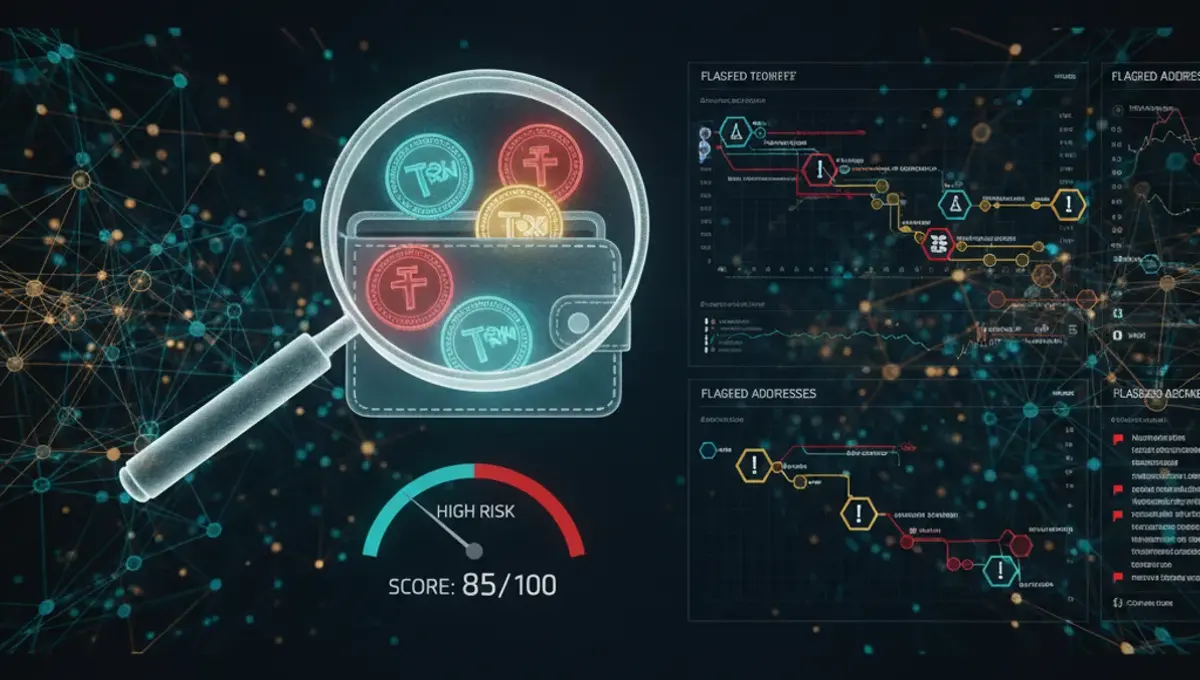
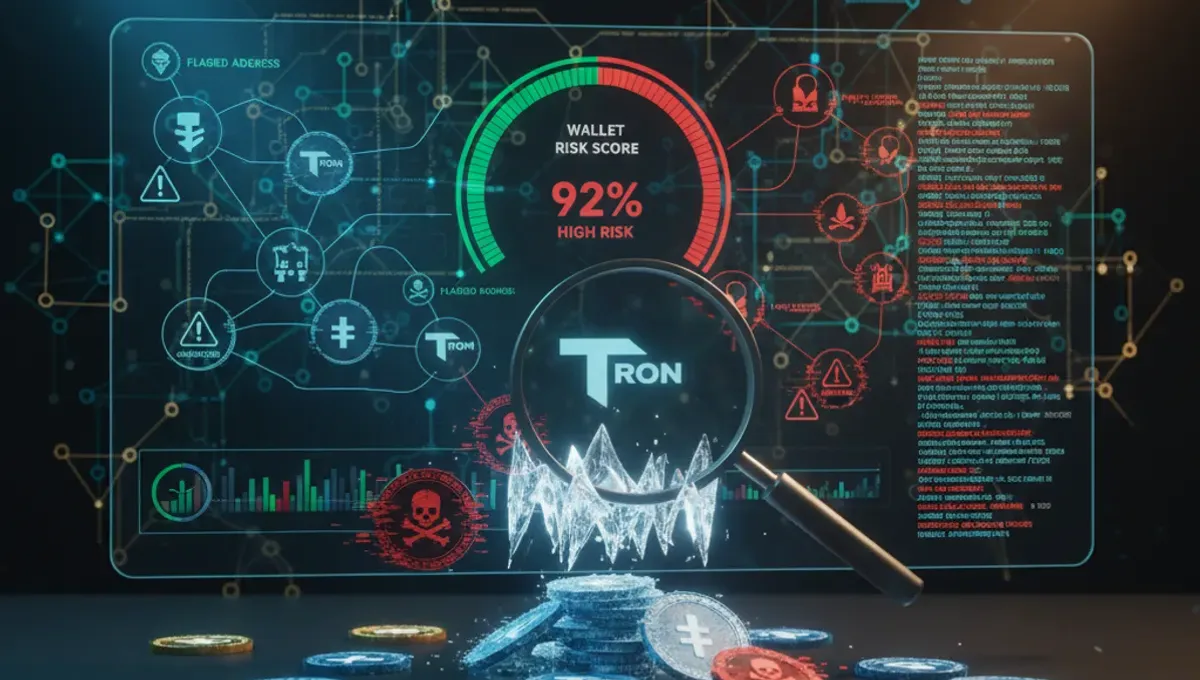
Crypto transaction monitoring tools are software platforms that analyze blockchain transactions and wallet histories to assess compliance risk. They work by scanning the public ledger, tracing fund flows, and cross-referencing wallet addresses against sanctions lists, known darknet markets, and theft databases. When you submit a wallet address for screening, the tool returns a risk score and a detailed report showing the wallet's transaction history, connected entities, and exposure to high-risk activity. Unlike one-time wallet checks, continuous monitoring tracks ongoing activity, alerting you if a previously clean address later receives funds from a flagged source. These tools are essential for crypto exchanges, custodians, payment processors, and any business that must comply with AML/CFT regulations.
How Blockchain Transaction Monitoring Works
Blockchain transaction monitoring operates by indexing all transactions on a given chain (Tron, Bitcoin, Ethereum) and building a graph of address relationships. The system identifies patterns: a wallet that receives funds from a mixer, sends to a darknet market address, or appears on a sanctions list triggers a risk flag. Monitoring rules define what constitutes suspicious activity—for example, a transaction from a known theft address, a connection to a gambling platform, or a cluster of addresses controlled by a sanctioned entity. The tool then assigns a risk score (typically 0–100 or low/medium/high) based on the severity and number of violations. Real-time monitoring means the system continuously watches for new transactions from or to a wallet, so you're alerted immediately if risk status changes. This proactive approach prevents compliance breaches before they happen.
Key Features of Effective Crypto Transaction Monitoring
A robust cryptocurrency transaction monitoring solution includes several core features:
- Multi-chain coverage—support for Tron, Bitcoin, Ethereum, and other major blockchains so you can screen any asset your customers use.
- Sanctions and watchlist integration—real-time checks against OFAC, UN, EU, and other regulatory lists to catch politically exposed persons and blocked entities.
- Risk scoring—a transparent, rule-based score that reflects exposure to mixers, darknet markets, scams, and stolen funds.
- Transaction history and traceability—a detailed audit trail showing how funds moved through the blockchain, so you can understand the source and destination of deposits.
- Alert thresholds—customizable risk limits so you can automatically flag or block deposits above your compliance tolerance.
- Batch screening—the ability to check multiple wallets at once for efficiency.
- API integration—seamless connection to your deposit flow so monitoring happens automatically without manual steps.
Crypto Transaction Monitoring Rules and Risk Categories
Effective crypto market transaction monitoring solution relies on clear, consistent rules. Common risk categories include: Mixers and tumblers (services that deliberately obscure transaction trails); Darknet market exposure (wallets connected to known illegal marketplaces); Stolen funds (addresses flagged in theft reports or hack investigations); Sanctions violations (wallets belonging to blocked individuals, entities, or countries); Scam and fraud (addresses associated with Ponzi schemes, rug pulls, or phishing); Gambling (optional flag depending on your compliance stance); Ransomware (wallets receiving extortion payments). Each category is assigned a risk weight. A wallet that received funds from a mixer might score 40/100 (medium risk), while one linked to a sanctioned entity scores 95/100 (critical). The rules are updated as new threats emerge and regulatory guidance evolves. Your compliance team should review and customize these thresholds based on your business model and jurisdiction.
How to Use Crypto Transaction Monitoring Before Accepting Deposits
Step-by-step process for screening wallets:
- Collect the customer's wallet address (e.g., a Tron TRC20 address for USDT or a Bitcoin address).
- Submit the address to your chosen monitoring tool via web interface or API.
- Review the risk score and detailed report within seconds.
- Check the transaction history: where did the funds originate, and are there any red flags.
- Cross-reference the risk score against your internal policy (e.g., reject if score exceeds 70, review manually if 40–70, accept if below 40).
- Document the screening result in your compliance records for audit purposes.
- If risk is acceptable, process the deposit; if not, request an alternative wallet or decline. For ongoing monitoring, set up alerts so you're notified if a previously accepted wallet later receives flagged funds. This workflow prevents frozen USDT, exchange account bans, and regulatory penalties by catching compliance issues before they escalate.
Comparing Crypto Transaction Monitoring Tools and Services
When evaluating tools, consider: Coverage (does it support your required blockchains and assets?); Accuracy (how current are the sanctions lists and theft databases?); Speed (can it screen wallets in real time or does it batch process?); Cost (per-check fees, monthly subscriptions, or API pricing?); Integration (does it connect to your existing systems?); Support (is there documentation and customer service?); Transparency (can you see the rules behind each risk score?). Some tools offer free trials or limited free checks, but serious compliance requires a paid service with continuous updates and support. The AML Services page on this site curates verified providers that meet enterprise standards for accuracy, speed, and regulatory compliance. Starting there ensures you're using tools trusted by exchanges and custodians, not experimental or outdated platforms.
What to Do If a Wallet Is Flagged as High Risk
If cryptocurrency transaction monitoring flags a deposit wallet as high risk, follow this protocol:
- Do not process the deposit until you've reviewed the report.
- Examine the specific risk factors: is it a sanctions violation (critical, must reject), a mixer connection (medium risk, may be acceptable depending on policy), or stolen funds (critical, must reject).
- Contact the customer and ask for clarification or an alternative wallet if appropriate.
- Document your decision—whether you accepted, rejected, or escalated the deposit.
- If you reject, explain briefly to the customer (e.g., 'The source wallet does not meet our compliance requirements') without disclosing sensitive details.
- Report the incident to your compliance officer and retain records for regulators. Never ignore a high-risk flag hoping it will resolve itself; regulators expect you to act on monitoring alerts. If a wallet shows critical risk (sanctions, theft, ransomware), rejection is mandatory to avoid liability.
Frequently asked questions
What is the difference between crypto transaction monitoring and wallet screening?
Wallet screening is a one-time check of a single address's history and risk status. Transaction monitoring is continuous, tracking ongoing activity and alerting you if a previously clean wallet later receives flagged funds or changes risk profile. Monitoring is proactive; screening is reactive. Both are essential for compliance.
Can I use free crypto transaction monitoring tools for business compliance?
Free tools offer limited checks and outdated data, unsuitable for regulatory compliance. Businesses must use paid services with real-time sanctions lists, theft databases, and audit trails. Free tools are fine for personal curiosity, but exchanges and custodians require enterprise-grade monitoring to meet AML/CFT obligations.
How often should I monitor a customer's wallet for ongoing risk?
Set up continuous monitoring for all active customer wallets. Most tools alert you immediately if a wallet receives flagged funds or changes risk status. Review alerts daily and act within your compliance window (typically 24–48 hours). For high-value or high-risk customers, increase monitoring frequency.
What risk score threshold should I use to reject deposits?
This depends on your risk appetite and jurisdiction. Many exchanges reject scores above 70–80, manually review 40–70, and accept below 40. Sanctions violations and theft always warrant rejection regardless of score. Consult your compliance officer and legal counsel to set thresholds aligned with your business model.
Does crypto transaction monitoring work for all blockchains?
Most tools cover major chains: Bitcoin, Ethereum, Tron, and others. Coverage varies by provider. Ensure your chosen tool supports the blockchains your customers use. Tron (TRC20 USDT) and Bitcoin are standard; check if the tool covers emerging or less common chains you accept.