What Is a TRC20 AML Check and Why It Matters
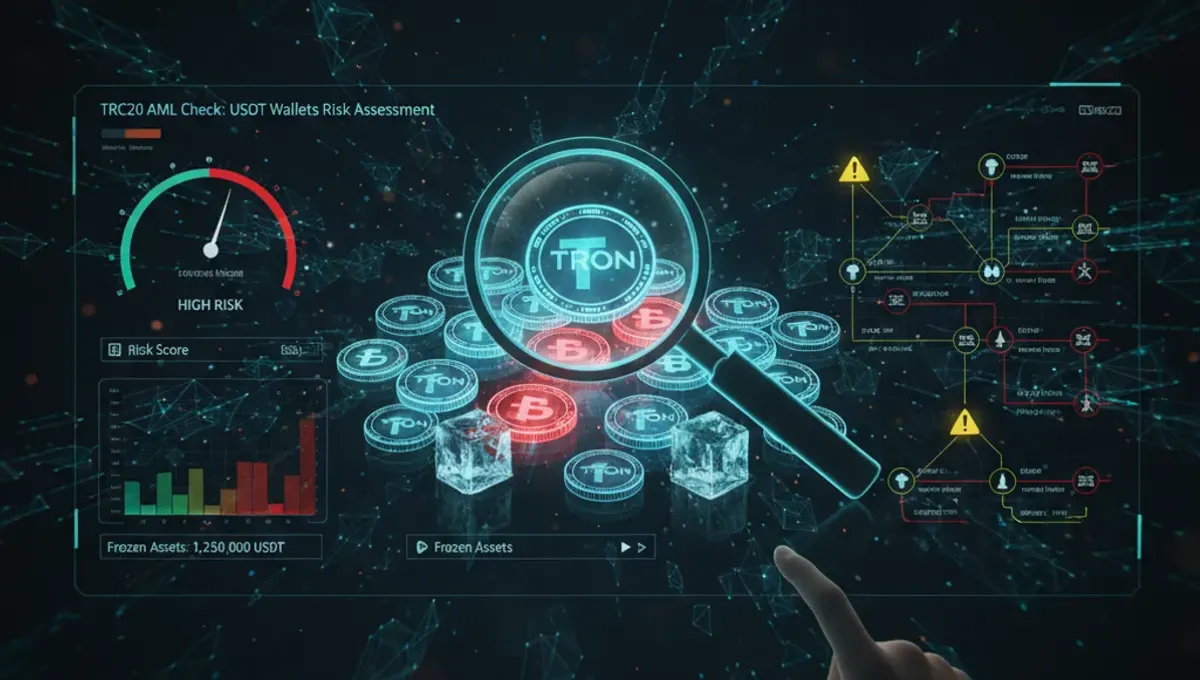
A TRC20 AML check is a blockchain analysis scan of a USDT address on the Tron network. It traces the wallet's transaction history to flag exposure to illicit activity, sanctions lists, and high-risk counterparties. TRC20 is the token standard for USDT on Tron; it processes faster and costs less than Ethereum or Bitcoin, but carries the same compliance risks. Exchanges, payment processors, and custodians use AML checks to meet regulatory requirements and avoid holding tainted coins. If a wallet is flagged as high-risk, deposits may be frozen, accounts suspended, or funds seized. A TRC20 AML check process typically takes seconds to minutes and returns a risk score and detailed transaction analysis.
How AML Check Risk Scores Work for Tron Addresses
An AML check fee varies by service, but most providers assign a risk score on a scale (commonly 0–100 or low/medium/high). The score reflects the likelihood that a wallet has received or sent illicit funds. Risk factors include: direct links to known darknet markets, mixer services, scam wallets, stolen cryptocurrency, and sanctioned entity addresses. A low risk score (typically 0–20) means minimal exposure; medium (20–60) suggests caution and further review; high (60+) indicates strong evidence of illicit activity. The AML check requirements differ by jurisdiction and institution—some accept medium-risk wallets with additional documentation, while others reject any score above 30. Tron address screening tools analyze on-chain data and cross-reference external blacklists and sanctions lists to generate the score.
Step-by-Step: How to Check a TRC20 Wallet Before Accepting USDT
Follow these steps to perform a TRC20 AML check on an incoming USDT deposit:
- Obtain the sender's wallet address (a 34-character string starting with 'T' on Tron).
- Visit a verified AML screening service—check our curated AML Services list for trusted providers that support TRC20 and Tron address checks.
- Paste the wallet address into the search field.
- Review the risk score, transaction history, and any flagged counterparties (mixers, darknet links, scams).
- Assess whether the risk level meets your compliance threshold. If the score is low or acceptable, proceed. If high, request additional documentation from the sender or decline the deposit.
- Document the check result for audit and regulatory purposes.
Most services return results in under one minute. Some offer batch checks for multiple addresses, useful for high-volume operations.
Understanding TRC20 Risk Categories and Red Flags
Common risk categories flagged in a TRC20 AML check include:
- Mixer exposure: Funds routed through privacy mixers to obscure origin.
- Darknet market links: Direct or indirect connection to known illegal marketplaces.
- Scam wallets: Addresses associated with Ponzi schemes, rug pulls, or fraud.
- Stolen cryptocurrency: Coins traced to exchange hacks or wallet compromises.
- Sanctioned entities: Wallets linked to individuals or organizations on OFAC or equivalent lists.
- Gambling platforms: Some jurisdictions flag gambling-linked wallets as higher-risk.
- High transaction velocity: Rapid movement of funds across many wallets in short periods.
A single red flag does not automatically mean the wallet is illicit—context matters. A wallet that received mixed coins years ago may be lower-risk than one actively sending to darknet addresses. Review the transaction timeline and depth of exposure before making a final decision.
What to Do If Your Coins Are Flagged as Tainted
If an incoming USDT TRC20 deposit is flagged as high-risk or tainted:
- Do not accept the deposit immediately. Pause and investigate.
- Request documentation from the sender explaining the wallet's history and the source of funds.
- Check whether the flagged activity is recent or historical. Older exposure may be less concerning.
- Consult your compliance officer or legal advisor on your institution's risk tolerance.
- If you accept the deposit, document your decision and the justification for audit purposes.
- Monitor the wallet for future activity and be prepared to freeze or report funds if new illicit links emerge.
- If the risk is unacceptable, reject the deposit and ask the sender to use a different wallet.
Exchanges and custodians often freeze USDT accounts if tainted coins are detected post-deposit, leading to delays and potential loss. Screening before acceptance is far cheaper than remediation after.
Comparing AML Check Services for TRC20 and Tron Wallets
When selecting a TRC20 AML check service, evaluate these factors:
- Coverage: Does it support Tron and TRC20 USDT specifically, or only Bitcoin and Ethereum?
- Speed: Most return results in seconds; some batch checks take longer.
- Accuracy: Compare risk scores across services for the same address to spot outliers.
- Pricing: Some offer free checks with limited detail; others charge per scan or subscription.
- Compliance standards: Verify the service references recognized sanctions lists (OFAC, EU, UN) and darknet databases.
- Integration: Does it offer API access for automated wallet screening in your deposit workflow?
- Transparency: Can you see the transaction chain and reasoning behind the risk score, or only the final score?
Our AML Services page curates verified providers that meet these criteria. Starting with a trusted service from that list is the safest approach for compliance-critical operations.
Best Practices for Avoiding Tainted USDT TRC20 Deposits
Implement these practices to minimize exposure to dirty crypto:
- Screen all wallets before accepting deposits, regardless of sender reputation.
- Set a risk score threshold (e.g., reject anything above 40) and enforce it consistently.
- Use batch screening for high-volume operations to catch issues at scale.
- Maintain audit logs of all AML checks performed, including timestamps and results.
- Update your blacklist and sanctions list references regularly—new illicit addresses emerge daily.
- Educate users about the importance of wallet hygiene; encourage them to use compliant addresses.
- Monitor accepted wallets for future activity; a clean wallet today may become risky if it later receives mixed coins.
- Combine AML checks with KYC (know-your-customer) verification to verify the sender's identity and source of funds.
A robust AML check process, applied consistently, protects your business from frozen USDT, account bans, and regulatory penalties.
Frequently asked questions
How long does a TRC20 AML check take?
Most AML checks return results in seconds to under one minute. The service queries the blockchain, cross-references blacklists and sanctions lists, and calculates a risk score. Batch checks for multiple addresses may take longer, typically a few minutes for dozens of wallets.
What's the difference between an AML check and a KYC check?
An AML check screens a wallet address for illicit activity and risk exposure. A KYC check verifies the identity of the person or entity behind the wallet. Both are needed for full compliance: AML detects dirty coins; KYC confirms the sender is who they claim to be and their funds are legitimate.
Can I use a free AML check for TRC20 wallets?
Some services offer limited free checks with basic risk scores. However, free tools often lack depth—they may not include detailed transaction analysis, sanctions list cross-referencing, or API access. For compliance-critical operations, paid services from verified providers are more reliable and defensible in audits.
What happens if I accept a USDT TRC20 deposit flagged as high-risk?
Accepting high-risk deposits exposes you to frozen funds, account suspension, or regulatory investigation. Exchanges may freeze your account if they detect tainted coins. You could face penalties, forced liquidation, or loss of banking relationships. Always screen before accepting and document your decision-making process.
How often should I re-check a wallet for AML compliance?
Screen a wallet before each deposit to catch new illicit activity. If you accept regular deposits from the same sender, consider periodic re-checks (weekly or monthly) to monitor for changes in risk profile. A clean wallet today may become risky if it later receives mixed coins or sanctioned funds.