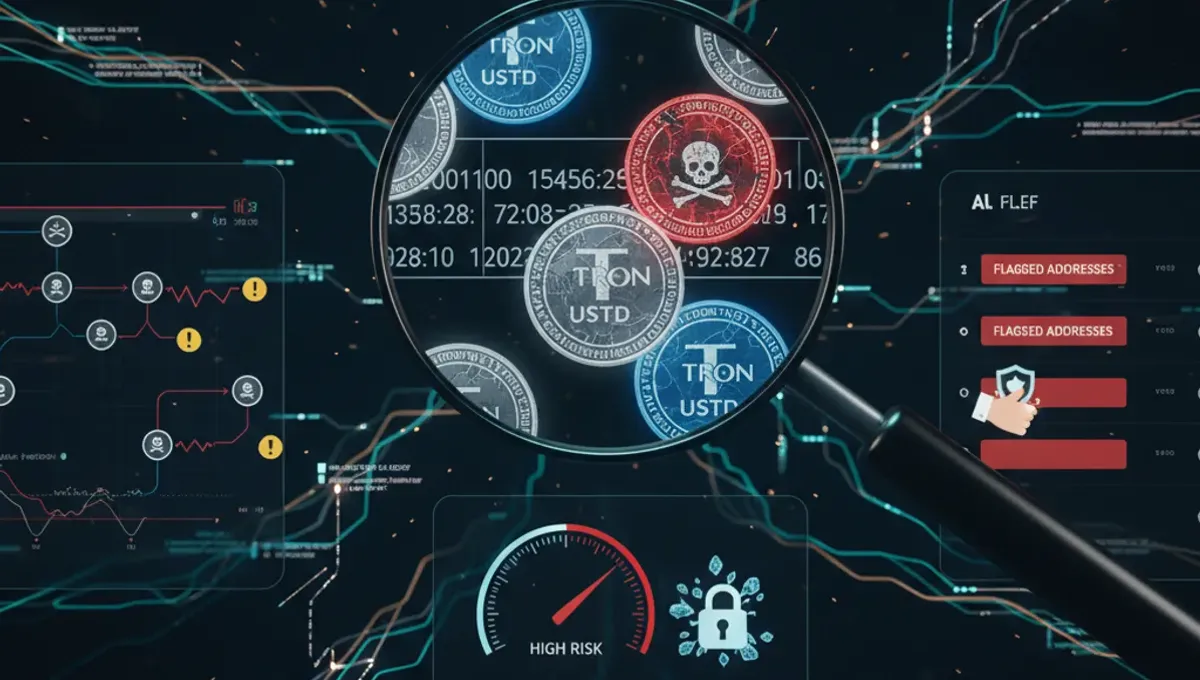
Why Stolen Crypto Is Hard to Recover
Once cryptocurrency is transferred to a new wallet, it exists on an immutable ledger. Unlike traditional bank transfers, there is no central authority that can reverse a blockchain transaction or recall funds. Law enforcement and exchanges can identify and freeze wallets linked to theft, but only if the stolen coins remain in a traceable location or are moved to a regulated exchange.
The challenge is that attackers often move stolen funds through multiple wallets, mixers, or decentralized exchanges to obscure the trail. Each transfer creates a new transaction record, but the original theft remains visible on the blockchain. If you sent funds to an attacker by mistake or were compromised, your best option is to report the theft to law enforcement and the exchange where the attacker may eventually try to cash out. Exchanges use AML checks and transaction monitoring to catch suspicious deposits, which is why many stolen-fund transfers are blocked at the point of withdrawal.
How Crypto Transactions Are Traced
Crypto transactions are traceable because every transfer is recorded on the blockchain with a permanent timestamp, sender address, recipient address, and amount. This transparency is the opposite of cash theft—there is a complete audit trail. Blockchain analytics firms use clustering techniques to link multiple addresses to the same entity, and they maintain databases of known theft addresses, darknet market wallets, and sanctioned entities.
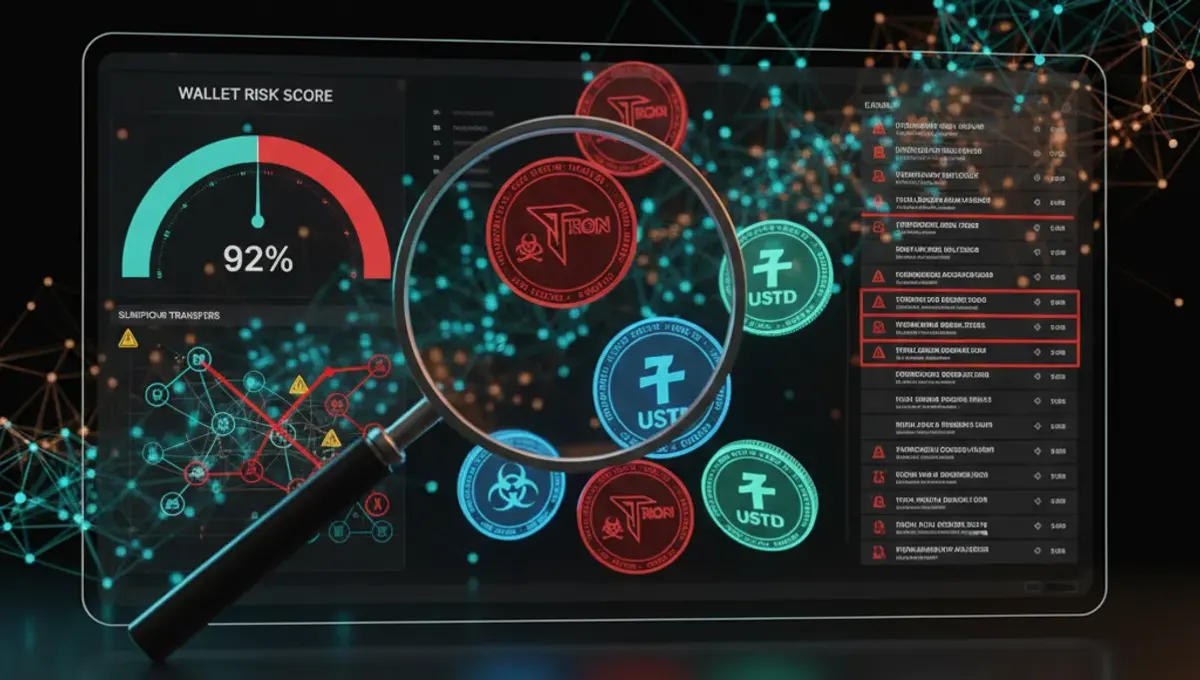
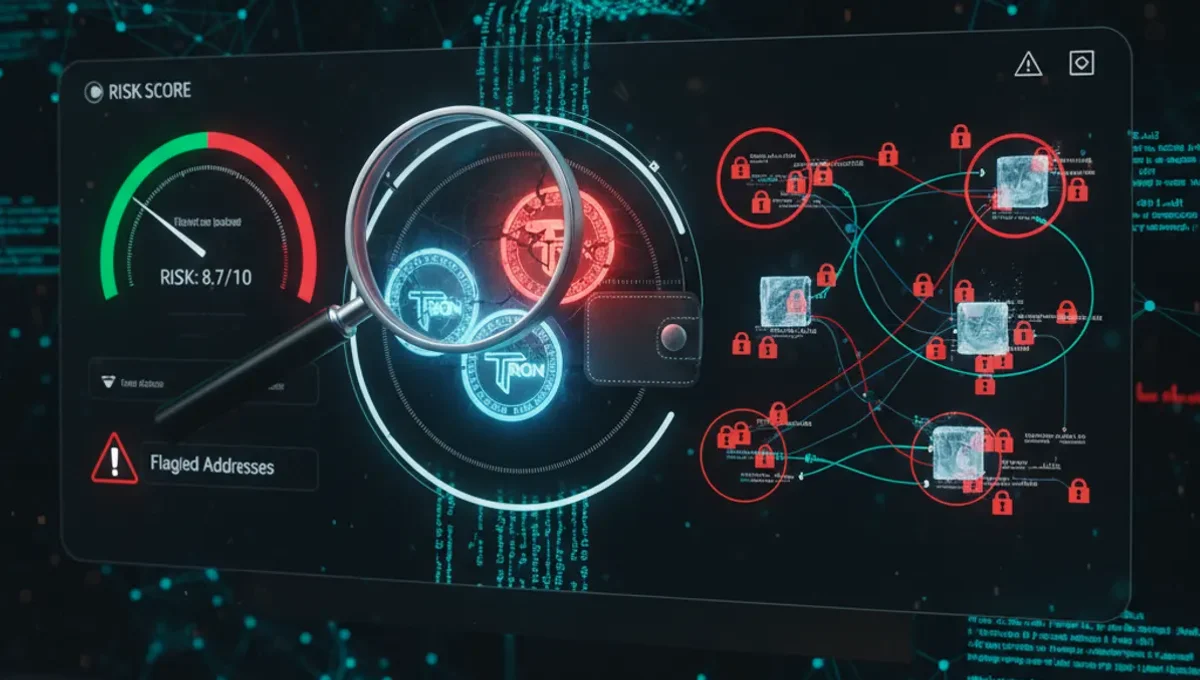
When you receive USDT on Tron or Bitcoin, AML checks can scan the transaction history of the sending address to determine if it has been flagged for illicit activity. KYT (Know Your Transaction) services assign risk scores based on whether the funds passed through mixers, gambling platforms, darknet markets, or other high-risk sources. If a wallet's history shows it received stolen funds, that risk is inherited by anyone who receives from it. This is why exchanges freeze accounts when deposits are flagged—they are protecting themselves from regulatory penalties and you from unknowingly holding tainted coins.
What Happens When You Receive Stolen Crypto
If you receive stolen cryptocurrency without knowing its origin, you are not legally liable in most jurisdictions, but your exchange account can still be frozen. Exchanges perform AML crypto checks on incoming deposits and will block or reverse transactions if the funds are flagged as stolen or linked to sanctions lists. This freeze can last weeks while the exchange investigates, and your funds may be held indefinitely if the exchange cannot verify the source.
The practical impact is severe: you cannot withdraw, trade, or transfer the coins. Even if you are innocent, the burden falls on you to prove the funds were received in good faith. To avoid this, screen wallets before accepting large transfers. Use wallet screening tools to check the risk score and transaction history of the sending address. If the score is high or the history shows mixer activity or darknet exposure, decline the transfer or ask the sender to explain the source. This proactive step prevents your account from being flagged and your deposits from being frozen.
How AML Checks and KYT Risk Scores Work
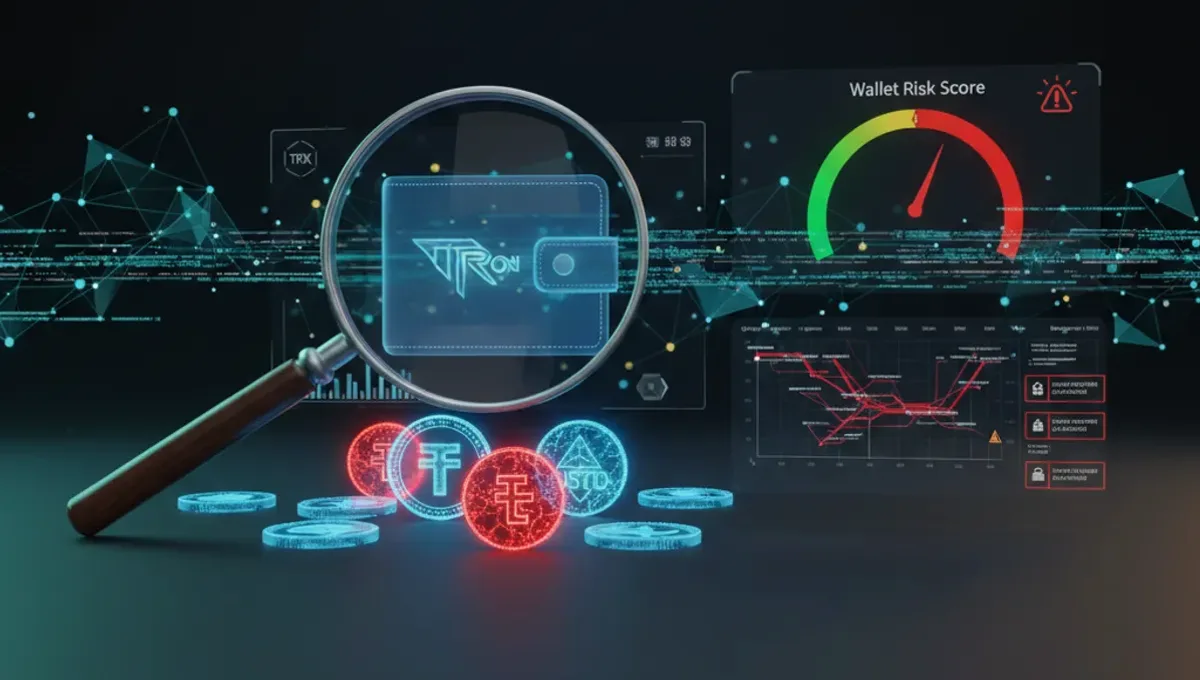
An AML check crypto process scans a wallet's transaction history and assigns a risk score based on its exposure to illicit activity. The score reflects whether the wallet has received funds from known theft addresses, sanctions-listed entities, darknet markets, gambling platforms, or mixers. A low risk score means the wallet's history is clean; a high score means it has received tainted coins or interacted with high-risk sources.
KYT (Know Your Transaction) goes further by analyzing not just the wallet's direct history but also the history of wallets it has received from. This creates a chain of custody that can reveal if stolen funds were moved through multiple addresses before reaching you. Exchanges and compliance teams use these scores to decide whether to accept a deposit. Most exchanges accept scores below 30–50 (depending on their policy), but scores above 70 are typically rejected. If you are sending funds to an exchange, checking your wallet's risk score beforehand ensures your deposit will not be blocked. Services listed on our AML Services page offer wallet screening with detailed risk reports.
Step-by-Step: How to Check a Wallet Before Receiving Crypto
Before accepting a transfer of USDT, TRX, BTC, or ETH, follow these steps to verify the source:
- Ask the sender for their wallet address.
- Use a wallet screening tool to run an AML check on that address.
- Review the risk score and transaction history. Look for red flags: mixer activity, darknet exposure, recent theft reports, or sanctions matches.
- If the score is low (under 30) and the history is clean, the transfer is safe to accept.
- If the score is high or the history is unclear, ask the sender to explain the source or decline the transfer.
- After receiving the funds, run an AML check on your own wallet to confirm the deposit did not trigger a flag.
- If your wallet is flagged, contact your exchange immediately to explain the source and provide documentation.
This process takes minutes and prevents weeks of frozen accounts. Our curated AML Services page lists verified wallet screening tools that provide accurate risk scores and detailed transaction histories for USDT TRC20, Tron, Bitcoin, and Ethereum addresses.
What to Do If Your Coins Are Flagged as Stolen
If your exchange account is frozen because your deposit was flagged, take these steps:
- Do not panic or attempt to move the funds. Any transfer attempt will be blocked and may trigger additional scrutiny.
- Contact your exchange's compliance team immediately. Provide documentation of where you received the funds (invoice, receipt, sender's identity if known).
- If you genuinely did not know the funds were stolen, explain this clearly. Most exchanges will unfreeze accounts if you can prove good faith.
- If the funds were sent by a business or employer, ask them to provide a letter confirming the transfer was legitimate.
- If you cannot prove the source, the exchange may permanently freeze the account or return the funds to law enforcement.
The key is transparency. Exchanges are more likely to work with you if you cooperate than if you ignore their requests. In some cases, if the funds are confirmed stolen, the exchange may be required to forfeit them to law enforcement. This is rare for small amounts, but it underscores why wallet screening before receiving transfers is essential.
Can Law Enforcement Recover Stolen Crypto
Law enforcement can trace stolen cryptocurrency and freeze wallets at exchanges, but recovery depends on whether the attacker has already cashed out or moved the funds to a mixer. If the stolen funds are still in a wallet linked to an exchange, law enforcement can work with that exchange to freeze the account and potentially return the funds to the victim.
However, if the attacker has moved the funds through a mixer or to a decentralized exchange, the trail becomes much harder to follow. Mixers deliberately obscure transaction history, and decentralized exchanges do not have the same compliance infrastructure as centralized platforms. In these cases, recovery is unlikely. If you are a victim of theft, report it to local law enforcement and provide them with the transaction hash and wallet address. They can file a report with the FBI's Internet Crime Complaint Center (IC3) or equivalent agency in your country. Provide as much detail as possible: the amount, date, how the theft occurred, and any communication with the attacker. This creates an official record that may help if the attacker is caught or if the funds resurface.
Frequently asked questions
Can stolen cryptocurrency be recovered if I receive it by accident
Stolen crypto is rarely recoverable once sent to an attacker's wallet, but if you received it unknowingly and report it to your exchange, the exchange may freeze the account and return the funds to law enforcement. The key is to act quickly and provide documentation of good faith. Screening wallets before accepting transfers prevents this situation entirely.
How can I tell if crypto I received is stolen
Run an AML check on the sending wallet's address using a wallet screening tool. The tool will assign a risk score and show the transaction history. If the score is high or the history shows mixer activity, darknet exposure, or theft reports, the funds may be stolen or tainted. Decline the transfer or ask the sender to explain the source.
What happens if my exchange account is frozen due to a flagged deposit
Your account will be locked until the exchange's compliance team investigates. Contact them immediately with documentation of where you received the funds. If you can prove good faith, the account is usually unfrozen within days or weeks. If you cannot prove the source, the funds may be forfeited or returned to law enforcement.
Are crypto transactions really traceable on the blockchain
Yes. Every transaction is recorded permanently with sender, recipient, amount, and timestamp. Blockchain analytics firms link addresses and flag wallets involved in theft, darknet activity, or sanctions violations. This is why AML checks and KYT risk scores are effective at detecting tainted coins before they reach your wallet.
What risk score should I accept when receiving crypto
Most exchanges accept risk scores below 30–50, depending on their policy. Scores above 70 are typically rejected. Before receiving a transfer, check the sender's wallet risk score using a wallet screening tool. If the score is low and the history is clean, the transfer is safe. Our AML Services page lists verified tools for accurate screening.