How Blockchain Records Make Transactions Traceable
Every cryptocurrency transaction is recorded on a distributed ledger that anyone can view. When you send Bitcoin, Ethereum, USDT on Tron, or any other asset, the transaction includes the sender's address, recipient's address, amount, timestamp, and transaction hash. This data is immutable and publicly accessible through blockchain explorers. Blockchain analysis firms use this transparency to map transaction flows and identify patterns. A single address can be linked to multiple transactions, revealing the movement of funds over time. This creates an audit trail that persists indefinitely. Exchanges, compliance teams, and law enforcement use these records to trace the origin and destination of funds. The more transactions a coin passes through, the more data points exist for analysis. This is why receiving USDT or TRX from unknown sources carries risk—the coin's history can be examined to determine if it came from a sanctioned entity, stolen funds, or a darknet marketplace.
What Is KYT and How Does It Trace Transactions
KYT stands for Know Your Transaction. It is a compliance process that monitors and analyzes transaction data in real time to detect suspicious activity. KYT crypto tools examine the source and destination of funds, the transaction amount, frequency, and patterns to assess risk. Unlike KYC (Know Your Customer), which verifies identity, KYT focuses on transaction behavior. A KYT check can reveal whether a wallet has received funds from high-risk sources such as mixers (which obscure transaction trails), gambling platforms, or addresses flagged by sanctions lists. When you receive USDT or TRX, a KYT scan can determine if the coin is tainted or clean. Risk scoring algorithms assign a score based on transaction history. High-risk scores indicate exposure to illicit activity or frozen funds. Exchanges and custodians use KYT to decide whether to accept or reject deposits. This is why checking a wallet's transaction history before receiving crypto is essential for avoiding frozen accounts or compliance issues.
Can Crypto Transactions Be Traced to Specific People
Tracing a transaction to a specific person requires linking a wallet address to a real-world identity. On the blockchain alone, addresses are pseudonymous—they appear as alphanumeric strings with no attached name. However, transactions can be traced to people through multiple methods. Exchange records connect wallet addresses to verified user identities during KYC onboarding. If a person deposits or withdraws crypto through a regulated exchange, their identity is recorded. Law enforcement and blockchain analysts can subpoena exchange records to identify users. IP address logs, transaction patterns, and behavioral analysis can also link addresses to individuals. Mixing services and privacy coins attempt to obscure these links, but advanced analytics can still detect patterns. Sanctioned entities and darknet markets are often identified through transaction analysis and intelligence gathering. For compliance purposes, an AML check crypto service examines whether a wallet has received funds from sources linked to known individuals or organizations on sanctions lists. This is why wallet screening is critical—it reveals whether a coin's history connects it to illegal activity or high-risk actors.
Understanding AML Checks and Risk Scoring
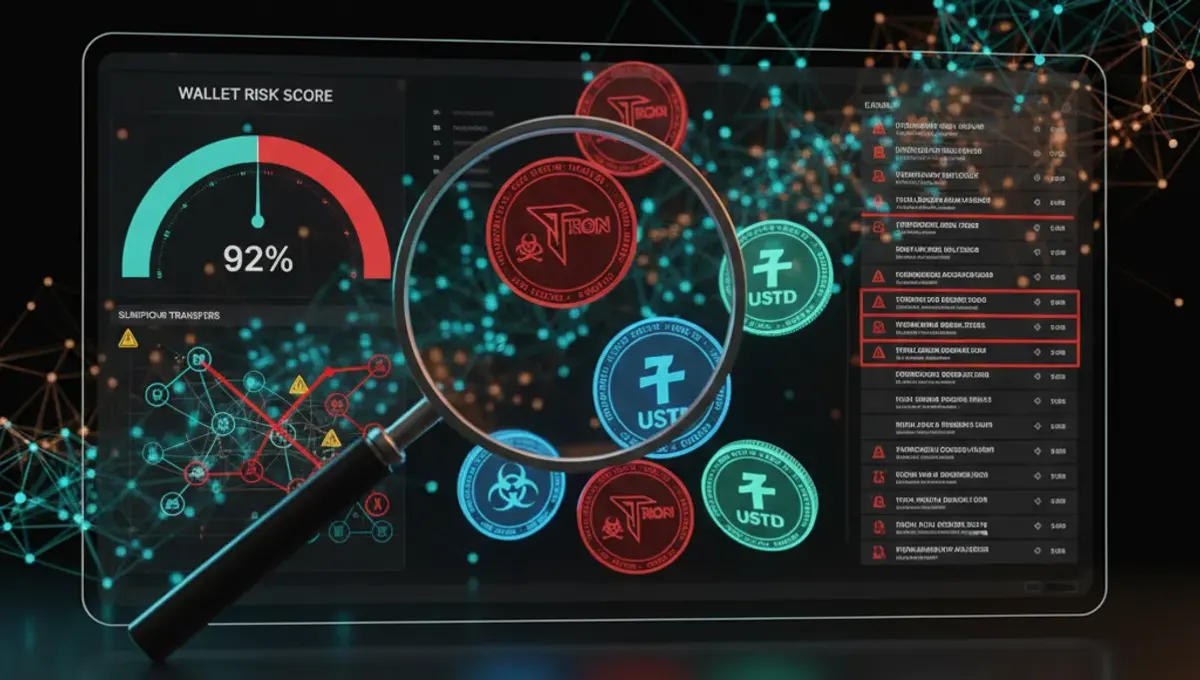
An AML check crypto process evaluates a wallet or transaction for compliance risk. AML stands for Anti-Money Laundering. When you perform an aml crypto check, the tool scans the wallet's transaction history against multiple data sources: sanctions lists, known darknet addresses, stolen fund databases, and mixer services. The system assigns a risk score based on findings. Risk scores typically range from low (clean history, no red flags) to high (direct exposure to illicit activity). A low-risk score means the wallet has no known connection to frozen funds, scams, or sanctioned entities. A high-risk score indicates the wallet has received funds from or sent funds to high-risk sources. Exchanges use these scores to decide whether to accept deposits. A wallet flagged as high-risk may result in a frozen USDT deposit or account suspension. The aml check crypto process is automated but informed by human analysts who maintain threat intelligence. For businesses and individuals receiving crypto, running an aml check before accepting payment is standard practice. Our curated list of verified AML services on this site provides access to trusted tools that deliver accurate risk assessments and detailed transaction reports.
How to Check if a Wallet or Transaction Is Traceable
To check if a wallet or incoming transaction is traceable and safe, follow these steps: First, obtain the wallet address or transaction hash from the sender. Second, use a blockchain explorer (such as official Tron or Bitcoin explorers) to view the transaction details and address history. Third, run the address through a wallet screening or KYT tool to assess risk. These tools will flag any connection to known risk categories. Fourth, review the risk score and detailed findings. If the score is low and no red flags appear, the transaction is likely safe. If the score is high, investigate further before accepting the funds. Look for specific risk indicators: direct links to mixers, darknet markets, scams, or sanctioned entities. Check whether the wallet has received stolen funds or is associated with frozen accounts. For USDT on Tron or Bitcoin transactions, this process is the same—the blockchain is transparent and traceable. Avoid wallets with unclear or suspicious transaction histories. If you receive USDT from an unknown source, always screen it before depositing into an exchange. Using one of the trusted AML services listed on our verified services directory is the safest starting point for accurate wallet screening.
Why Transactions Remain Traceable Even Through Mixers
Mixing services (also called tumblers or coin mixers) are designed to obscure transaction trails by combining funds from multiple users and redistributing them. However, advanced blockchain analysis can still trace mixed transactions. Mixers create patterns that analysts recognize: sudden aggregation of funds, rapid redistribution to new addresses, and timing correlations. These patterns are themselves traceable. Law enforcement and compliance firms use statistical analysis and machine learning to detect mixer activity. A wallet that has received funds from a mixer is flagged as higher risk because the mixing itself suggests an attempt to hide the coin's origin. This is why an aml check crypto tool will identify mixer exposure. Receiving USDT or other assets that have passed through a mixer increases the risk of frozen deposits or account restrictions. Exchanges treat mixer-exposed coins with caution. The blockchain's immutability means that even if a transaction is mixed, the on-chain record persists. Regulators and compliance teams view mixer use as a red flag. This is why transaction traceability remains effective even when users attempt to obscure activity. Understanding this helps explain why wallet screening is essential before accepting any crypto transfer.
What Happens When Tainted Coins Are Detected
When an exchange or compliance system detects tainted coins—crypto with a history of illicit activity, theft, or sanctions exposure—several outcomes are possible. The deposit may be rejected outright, preventing the transaction from completing. If the deposit is accepted, the account may be flagged for review, and the funds may be frozen pending investigation. In some cases, the entire account is suspended until the source of the funds is clarified. Exchanges are required by law to screen deposits and reject high-risk transactions. Receiving tainted USDT or TRX can result in permanent account closure. For businesses, this creates operational disruption and compliance liability. This is why checking a wallet before sending or receiving crypto is critical. An aml check crypto performed before the transaction prevents these problems. If you discover that coins you hold are flagged as tainted, contact the exchange or custodian immediately to understand the specific risk and next steps. Proactive wallet screening using verified AML services eliminates most of these risks by identifying problematic coins before they reach your account.
Frequently asked questions
Can Bitcoin transactions be traced
Yes. Every Bitcoin transaction is recorded on the public blockchain with sender address, recipient address, and amount. Blockchain explorers and analysis tools can view this history indefinitely. While addresses are pseudonymous, transaction patterns and exchange records can link them to real identities. This is why Bitcoin is traceable despite common misconceptions about anonymity.
How do exchanges detect tainted USDT or TRX
Exchanges use AML checks and KYT tools that scan wallet addresses against sanctions lists, stolen fund databases, mixer services, and darknet market records. The system assigns a risk score based on transaction history. If a wallet has received funds from high-risk sources, the deposit is flagged or rejected. This automated screening happens in seconds when you attempt to deposit.
What does a high-risk score mean for my wallet
A high-risk score indicates your wallet has received funds from or is connected to illicit activity, mixers, darknet markets, or sanctioned entities. Exchanges may freeze your account or reject deposits. You should investigate the source of the flagged transaction. If the risk is legitimate, contact your exchange's compliance team. Avoid accepting crypto from unknown or suspicious sources to prevent this issue.
Can I trace who sent me cryptocurrency
You can trace the transaction on the blockchain using the transaction hash or wallet address. However, identifying the person behind the address requires additional steps. If the sender used a regulated exchange, their identity is recorded there. If they used a private wallet, tracing to a real person is difficult without law enforcement involvement or additional intelligence. This is why wallet screening before accepting transfers is important.
What is the difference between AML and KYT checks
AML (Anti-Money Laundering) checks verify that a wallet or entity is not on sanctions lists or connected to illicit activity. KYT (Know Your Transaction) monitors transaction behavior and patterns in real time. AML is identity-focused; KYT is transaction-focused. Both are used together in compliance. When receiving crypto, both checks help determine if the funds are safe to accept.