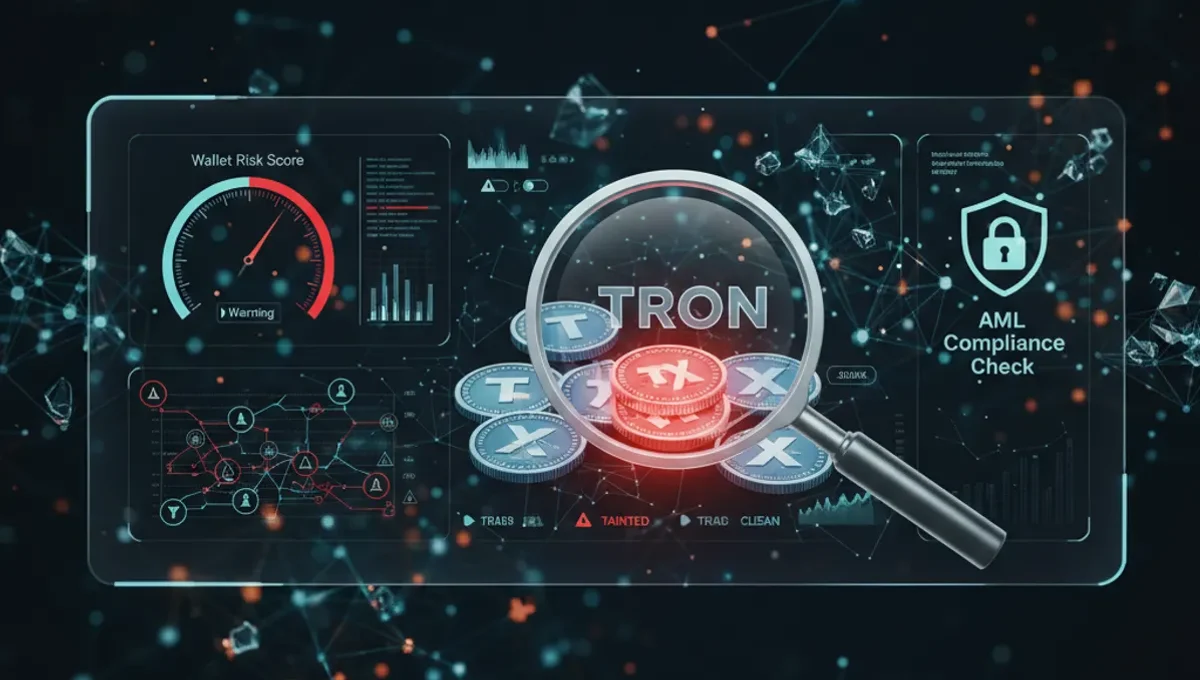
What Does KYT Crypto Mean?
KYT stands for Know Your Transaction. It is a blockchain analytics process that examines the origin, movement history, and current risk profile of cryptocurrency coins and addresses. KYT crypto systems assign risk scores based on whether funds have been associated with mixers, darknet markets, scams, stolen wallets, or sanctioned entities.
KYT differs from KYC (Know Your Customer) in scope: KYC verifies who you are; KYT verifies what you are receiving. A transaction may pass KYC but fail KYT if the coins themselves carry compliance red flags. Exchanges and custodians use KYT to prevent money laundering, terrorist financing, and sanctions violations. When you deposit USDT TRC20 or Bitcoin to an exchange, their AML systems run KYT checks in the background. If your coins score too high on the risk scale, your deposit may be frozen or rejected.
How Does KYT Blockchain Screening Work?
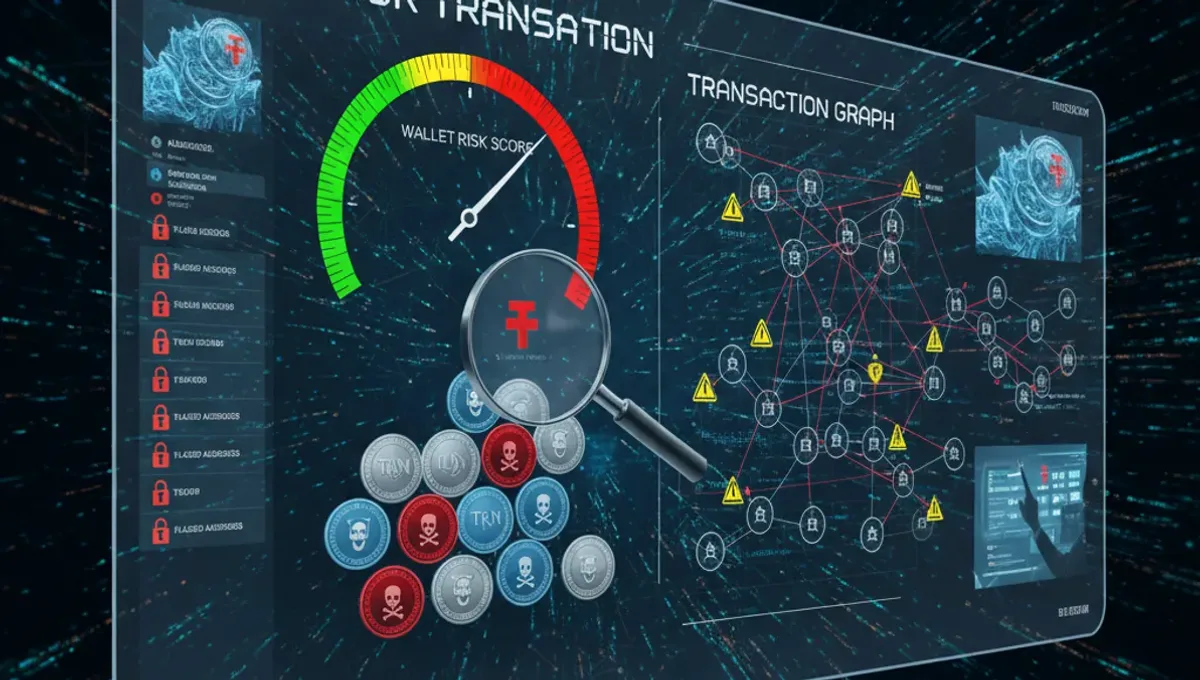
KYT blockchain systems trace coin movement across the ledger, building a transaction graph that connects addresses and wallets over time. Each transaction is scored based on several risk indicators:
- Source address history: Has the sending wallet received funds from known high-risk sources?
- Mixer exposure: Did the coins pass through privacy mixers or tumblers?
- Darknet association: Are there links to darknet marketplace addresses or known criminal wallets?
- Sanctions lists: Does the address match OFAC or other regulatory blacklists?
- Scam or theft reports: Have the coins been flagged as stolen or from a known scam?
- Gambling and illicit services: Has the address interacted with unregulated gambling or illegal marketplaces?
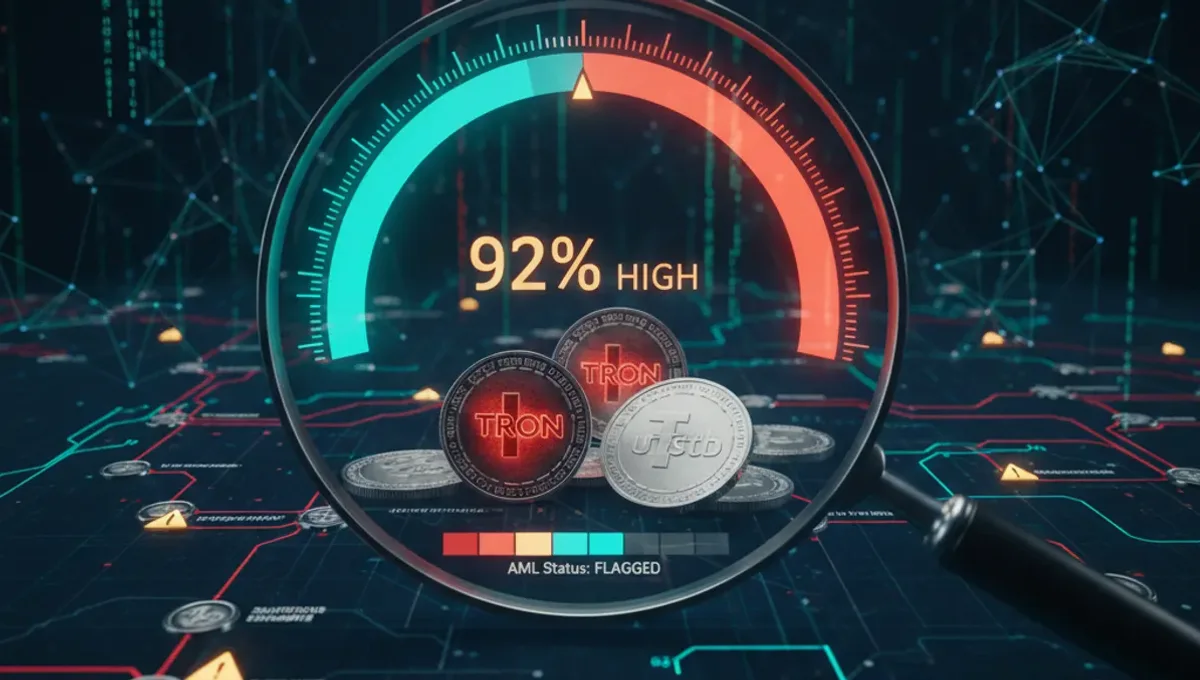
KYT meaning in practice is continuous monitoring. Blockchain analytics firms maintain databases of known risky addresses and update them as new threats emerge. When you check a wallet or receive a deposit, the KYT system queries these databases and assigns a composite risk score. The score typically ranges from low (green) to high (red), and exchanges set their own thresholds for acceptance.
What Are KYT Risk Score Levels?
Risk scores in KYT crypto systems are usually presented on a scale from 0 to 100 or as color-coded categories. Here is what each level typically means:
Low risk (0–20): Coins have a clean history with no known associations to illicit activity. Most exchanges accept these without issue.
Medium risk (21–50): Some historical exposure to risky addresses or minor mixer interaction, but no direct criminal links. Exchanges may accept or flag for review.
High risk (51–80): Strong indicators of mixer use, darknet exposure, or sanctions-list proximity. Many exchanges will freeze or reject deposits at this level.
Critical risk (81–100): Direct links to stolen funds, active sanctions lists, or known criminal wallets. Deposits are almost always blocked.
The exact thresholds vary by exchange and jurisdiction. Some platforms are strict and reject anything above 30; others tolerate up to 50. Understanding your exchange's KYT thresholds before receiving large transfers helps you avoid frozen deposits and account bans.
How to Check a Wallet's KYT Risk Score Before Receiving Crypto
Before accepting a large USDT TRC20, Bitcoin, or Tron transfer, you can screen the sending address to see its KYT risk profile. Here is the process:
- Obtain the sender's wallet address (a long string of characters starting with a prefix like 1, 3, bc1 for Bitcoin, or T for Tron).
- Visit a trusted AML check service. Our curated list of verified AML services on this site includes tools that provide KYT screening and risk scores.
- Paste the address into the search field and run the scan.
- Review the risk score and the detailed report, which will show any flagged associations, mixer exposure, or sanctions links.
- If the score is low or acceptable for your exchange's standards, proceed. If it is high, ask the sender to clarify the source or decline the transfer.
This step takes less than a minute and can prevent your exchange account from being frozen. Many services offer a free tier for basic checks, though detailed reports may require a paid subscription. Always verify the service is reputable before entering sensitive wallet data.
AML Check Crypto: How Exchanges Use KYT to Freeze Deposits
When you deposit cryptocurrency to an exchange, their AML check crypto systems automatically run KYT screening on the incoming transaction. If the coins fail the check, several outcomes are possible:
Automatic rejection: The deposit is returned to your wallet within hours or days. No funds are held.
Manual review: The exchange flags the transaction and investigates. You may be asked to provide proof of the coin's origin (receipt, invoice, or transaction history).
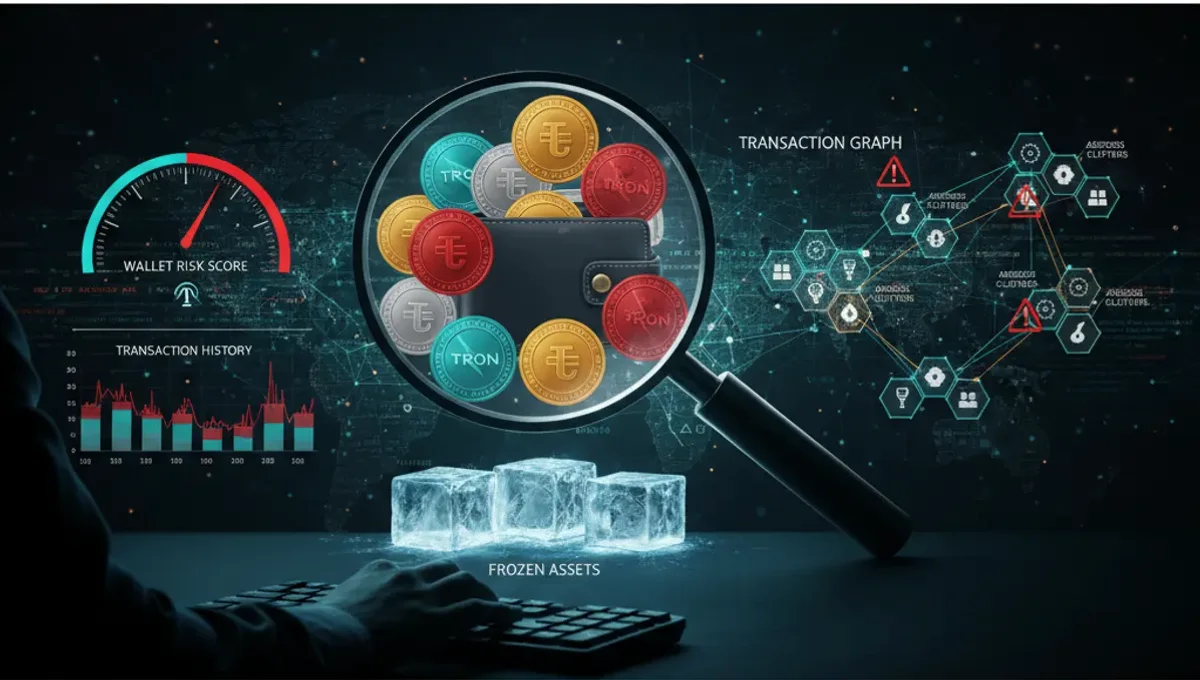
Account freeze: If the risk is deemed too high or you cannot prove legitimate ownership, your account may be locked. Withdrawing your funds becomes difficult or impossible.
Permanent ban: In extreme cases (direct sanctions links or stolen funds), the exchange may permanently close your account and report you to authorities.
The aml crypto check process is designed to protect the exchange from regulatory penalties, not to punish users. However, innocent parties can be caught if they unknowingly receive tainted coins. This is why screening wallets before accepting transfers is critical. If your deposit is frozen, contact the exchange's compliance team with documentation of the coin's legitimate source.
What to Do If Your Coins Are Flagged as High-Risk
If a KYT check flags your coins as high-risk or your exchange freezes your deposit, take these steps:
- Document the source: Gather receipts, invoices, or transaction records proving you obtained the coins legitimately (e.g., from a paycheck, sale of goods, or a trusted peer).
- Contact the exchange: Submit a support ticket explaining the coin's origin and providing your documentation. Be honest and detailed.
- Request a manual review: Ask the compliance team to reassess your transaction. Many freezes are lifted after verification.
- Consider a different exchange: If one exchange rejects your coins, another with looser KYT thresholds may accept them. However, this does not resolve the underlying risk issue.
- Avoid mixing or tumbling: Never attempt to hide the coins' history by sending them through mixers. This is illegal in many jurisdictions and will trigger stronger regulatory action.
- Consult a compliance expert: If the freeze persists, seek advice from a crypto tax or legal professional who understands AML regulations in your jurisdiction.
In most cases, coins with legitimate sources can be cleared after review. The key is transparency and documentation.
Choosing a Trusted KYT Service for Wallet Screening
Not all KYT and AML check services are equal. When selecting a tool to screen wallets, look for these qualities:
Reputable data sources: The service should use established blockchain analytics databases and official sanctions lists (OFAC, EU, UN).
Transparency: The report should clearly explain why a wallet is flagged and what specific risk factors triggered the score.
Coverage: The service should support the blockchains you use (Bitcoin, Ethereum, Tron, etc.) and the assets you care about (BTC, ETH, USDT, TRX).
Speed and reliability: Checks should complete in seconds, not minutes, and the service should have uptime guarantees.
Privacy: Your wallet data should not be logged or sold to third parties.
Our curated list of verified AML services on this site includes tools that meet these standards. Starting with a trusted service from that list is the safest way to screen wallets before receiving deposits. Many offer free basic checks, so you can test them without cost.
Frequently asked questions
What is the difference between KYT and KYC in crypto?
KYC (Know Your Customer) verifies your identity through documents and personal data. KYT (Know Your Transaction) screens the coins themselves for risk and compliance violations. You can pass KYC but fail KYT if your coins have a tainted history. Exchanges require both to prevent money laundering.
Can I check a Tron USDT address for risk before receiving it?
Yes. Paste the Tron address into a KYT screening tool from our verified AML services list. The scan will show the address's risk score, any mixer exposure, darknet links, or sanctions flags. This takes under a minute and helps you avoid frozen deposits.
What happens if I receive high-risk Bitcoin or USDT?
Your exchange may freeze the deposit, request proof of the coin's origin, or reject it outright. If you have legitimate documentation (receipt, invoice, or transaction record), contact the exchange's compliance team for manual review. Most freezes are lifted after verification of the source.
Why do exchanges use KYT screening?
Exchanges use KYT to comply with anti-money laundering (AML) and sanctions regulations. Accepting stolen funds, darknet proceeds, or sanctioned assets exposes them to fines and legal action. KYT screening protects both the exchange and its users from regulatory penalties.
Is there a free KYT crypto check tool?
Many services offer free basic KYT checks with limited details. Paid subscriptions unlock full reports, historical data, and batch scanning. Check our curated list of verified AML services to find free and paid options that suit your needs.