What Does KYT Mean in Cryptocurrency
KYT stands for Know Your Transaction. It is a blockchain compliance tool that tracks and evaluates the origin, movement, and destination of cryptocurrency funds. When you receive a payment in crypto, KYT screening checks whether those coins have been flagged as high-risk or tainted. The process assigns a risk score based on transaction history, wallet behavior, and exposure to illicit activity. KYT crypto meaning differs from KYC (Know Your Customer), which verifies the identity of a person or entity. KYT focuses on the coins themselves—their provenance and associations. Exchanges, custodians, and compliance teams use KYT to prevent receiving stolen funds, sanctioned assets, or proceeds from illegal markets. A KYT check can reveal whether incoming funds have connections to ransomware, gambling platforms, mixing services, or darknet vendors.
How KYT Blockchain Monitoring Works
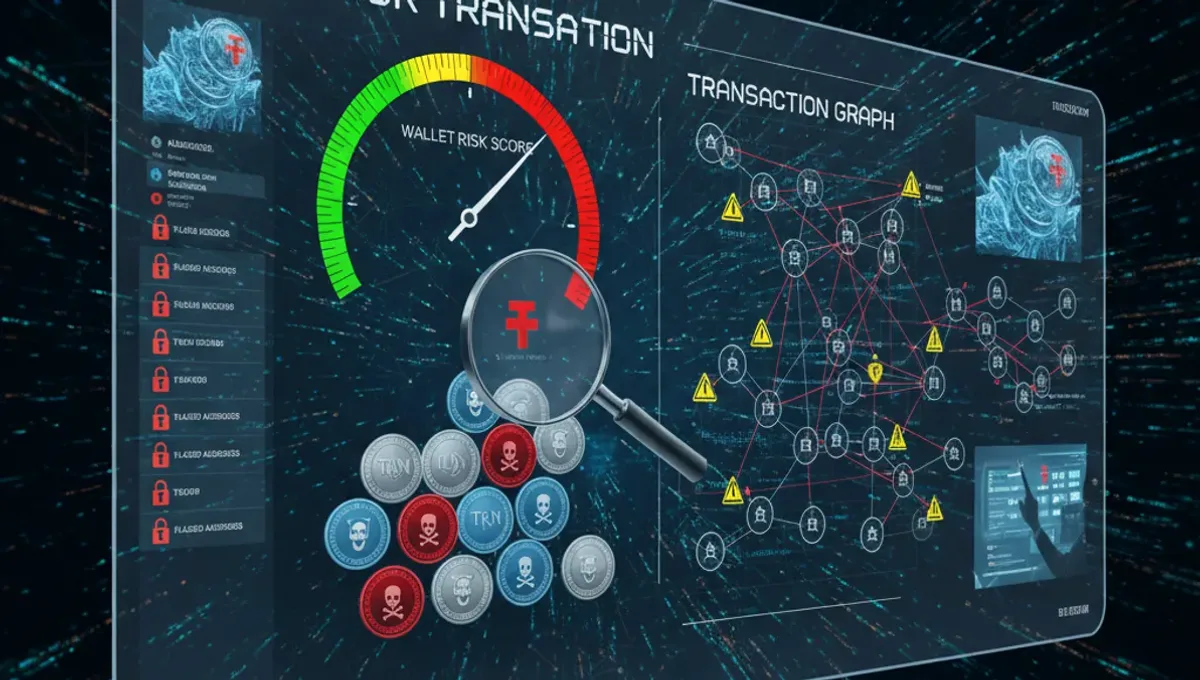
KYT blockchain monitoring operates by analyzing on-chain transaction data and comparing wallet addresses against known risk indicators. The system traces the flow of funds backward and forward through the blockchain, building a transaction history for each address. When you submit a wallet for screening, the KYT tool checks it against databases of known illicit addresses, sanctions lists (such as OFAC), and behavioral patterns associated with high-risk activity. The monitoring assigns a risk score, typically ranging from low to critical, based on factors such as: direct links to known mixers or tumblers; connections to darknet marketplaces; involvement in scams or rug pulls; association with stolen funds; exposure to sanctioned entities; and frequency of rapid fund transfers. The KYT process is continuous—exchanges and custodians monitor incoming transactions in real time to catch tainted coins before they settle. This proactive screening reduces the likelihood of frozen USDT, account restrictions, or regulatory penalties.
KYT Risk Scores and What They Mean
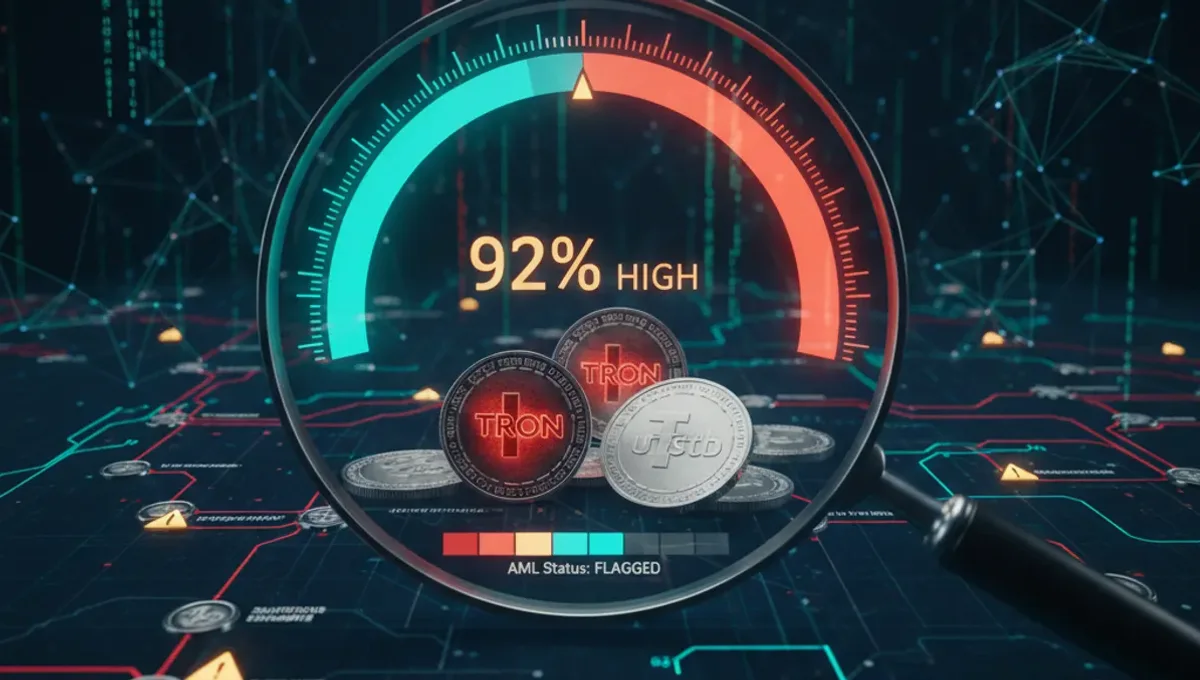
A KYT risk score quantifies the likelihood that a wallet or transaction is associated with illicit or high-risk activity. Scores vary by provider but typically follow a scale from 0 (very low risk) to 100 (critical risk). Low-risk scores (0–20) indicate clean coins with minimal suspicious history. Medium-risk scores (21–50) suggest some exposure to risky behavior but not necessarily illegal activity—for example, a wallet that has interacted with a gambling platform or received funds from a mixer. High-risk scores (51–80) flag significant red flags such as direct links to known theft, ransomware payments, or sanctioned entities. Critical scores (81–100) indicate strong evidence of illicit activity and are typically rejected by exchanges and custodians. Most institutional exchanges set acceptance thresholds at 50 or below, meaning deposits with higher scores may be frozen pending manual review. Understanding these thresholds helps you assess whether incoming funds are safe to accept or whether further investigation is needed before settlement.
KYT Crypto vs. KYC: Key Differences
KYT crypto and KYC (Know Your Customer) serve different compliance purposes. KYC verifies the identity of a person or business—collecting legal name, address, proof of identity, and beneficial ownership information. It answers the question: who is this person or entity. KYT, by contrast, examines the transaction itself—the origin, history, and risk profile of the funds. It answers: where did these coins come from and are they clean. Both are essential for compliance. An exchange may pass KYC (you are a verified user) but still reject your deposit if KYT screening flags the incoming coins as tainted. Conversely, you may receive coins from a KYC-verified user, but if those coins have been mixed or linked to a darknet marketplace, KYT will flag them as high-risk. Together, KYT and KYC create a complete compliance picture: verified users sending verified (clean) funds. Many compliance frameworks require both checks to mitigate regulatory and operational risk.
How to Check a Wallet Before Receiving Crypto
Before accepting USDT, TRX, BTC, or other assets, screen the sending wallet using a KYT aml check crypto service. Here is a practical step-by-step approach: First, obtain the sender's wallet address. Second, visit a trusted AML check service (our curated list of verified AML services on this site provides vetted options). Third, paste the wallet address into the screening tool. Fourth, run the scan and review the risk score and transaction history. Fifth, examine the detailed report for any flags—mixers, darknet links, sanctions exposure, or stolen fund indicators. Sixth, decide whether to accept or reject the transfer based on your risk tolerance and institutional requirements. Most exchanges set a threshold at risk score 50 or below for acceptance. If a wallet scores above your threshold, request clarification from the sender or decline the transfer. This proactive screening prevents frozen deposits and account restrictions. For high-value transfers, consider running multiple checks through different providers to cross-verify results.
What Happens When Crypto Is Flagged as Tainted
When KYT screening flags coins as tainted or high-risk, several outcomes are possible. Exchanges may reject the deposit outright, preventing the coins from entering your account. If tainted coins are already in your wallet, the exchange may freeze your account pending manual review by compliance staff. In some cases, the exchange may require you to provide proof of the source of funds or explanation of the transaction history. Regulatory authorities may investigate if the coins are linked to sanctions violations or known criminal activity. Your account may be permanently closed if the exchange determines the risk is unacceptable. Tainted coins can also affect your reputation with other exchanges—many share compliance data, so a flag at one platform may trigger scrutiny elsewhere. If you receive tainted coins unknowingly, the best course of action is to notify your exchange immediately, provide documentation of the source, and cooperate with any investigation. Attempting to hide or obscure the origin of flagged coins can result in account closure and potential legal consequences. Proactive KYT screening before accepting transfers is the most effective way to avoid these complications.
Common Risk Categories in KYT Screening
KYT systems flag several categories of high-risk activity. Mixers and tumblers are services that obscure the origin of funds by combining and redistributing them—coins passing through mixers are considered high-risk because they indicate an attempt to hide transaction history. Darknet marketplaces such as illegal drug vendors or weapons dealers generate flagged coins; any wallet linked to these platforms is typically marked critical risk. Ransomware payments are funds sent to attackers in extortion schemes; these are tracked and flagged immediately. Stolen funds from exchange hacks, wallet compromises, or fraud are linked to victim addresses and marked as tainted. Sanctioned entities include individuals, organizations, and countries subject to government restrictions; transactions involving sanctioned addresses are illegal in many jurisdictions. Gambling platforms, while not always illegal, are flagged by some KYT providers as medium-risk due to regulatory uncertainty. Scams and rug pulls generate flagged coins when fraudulent projects disappear with investor funds. Understanding these categories helps you interpret KYT reports and assess whether flagged activity poses genuine risk or is a false positive.
Frequently asked questions
What is the difference between KYT and KYC in crypto
KYC (Know Your Customer) verifies user identity through documents and personal information. KYT (Know Your Transaction) analyzes the blockchain history and risk profile of the funds themselves. Both are required for compliance: KYC confirms who you are, KYT confirms the coins are clean. You can pass KYC but fail KYT if your incoming funds are flagged as tainted or high-risk.
How does KYT crypto screening prevent frozen deposits
KYT screening identifies high-risk or tainted coins before they settle in your account. By checking incoming wallets and transactions against risk databases, you can reject suspicious transfers before accepting them. This proactive approach prevents your exchange account from receiving flagged funds, which would trigger account freezes, manual reviews, or permanent closures by compliance teams.
What KYT risk score is acceptable for receiving crypto
Most institutional exchanges accept risk scores of 50 or below. Scores 0–20 are very low risk and typically approved immediately. Scores 21–50 are medium risk and may require additional review. Scores above 50 are usually rejected or flagged for manual investigation. Your acceptable threshold depends on your risk tolerance and institutional policy; always check your exchange's specific requirements.
Can I receive crypto from a wallet with a high KYT risk score
Technically yes, but it carries significant risk. Your exchange may freeze the deposit, lock your account, or reject the transaction entirely. If you do accept high-risk coins, you may face compliance investigations, account restrictions, or permanent closure. It is safer to decline transfers from high-risk wallets or request the sender use a clean wallet instead.
What should I do if my received crypto is flagged as tainted
Notify your exchange immediately and provide documentation of the source and transaction history. Cooperate fully with any compliance investigation. Do not attempt to hide or move the coins, as this can trigger regulatory action. In some cases, the exchange may allow you to keep the coins if you can prove legitimate source. Attempting to obscure tainted coins can result in permanent account closure and legal consequences.