What Is Crypto Wallet Screening and Why It Matters
Crypto wallet screening evaluates a blockchain address for signs of illicit activity or high-risk behavior. When you receive USDT on Tron, Bitcoin, or Ethereum, the coins carry a transaction history. If those coins passed through a mixer, darknet marketplace, or sanctioned entity, exchanges may flag or freeze them upon deposit.
Screening matters because exchanges enforce AML (Anti-Money Laundering) compliance. They scan incoming deposits against blacklists and risk databases. If your wallet or the source wallet shows red flags, your account can be frozen pending investigation—sometimes for weeks. By screening before you receive funds, you can refuse high-risk deposits and protect your account from holds and potential bans.
Common risk categories detected in wallet screening include: mixers and tumblers, darknet market wallets, stolen funds from hacks, sanctioned entity addresses, gambling platforms, and scam-related wallets.
How to Check a Crypto Wallet: Step-by-Step Process
Screening a wallet involves three main steps:
1. Gather the wallet address: Copy the full address you want to check (e.g., a TRX address, Bitcoin address, or USDT contract address).
2. Use a wallet screening service: Visit a trusted AML check service (our curated AML Services page lists verified providers). Paste the address into the screening tool.
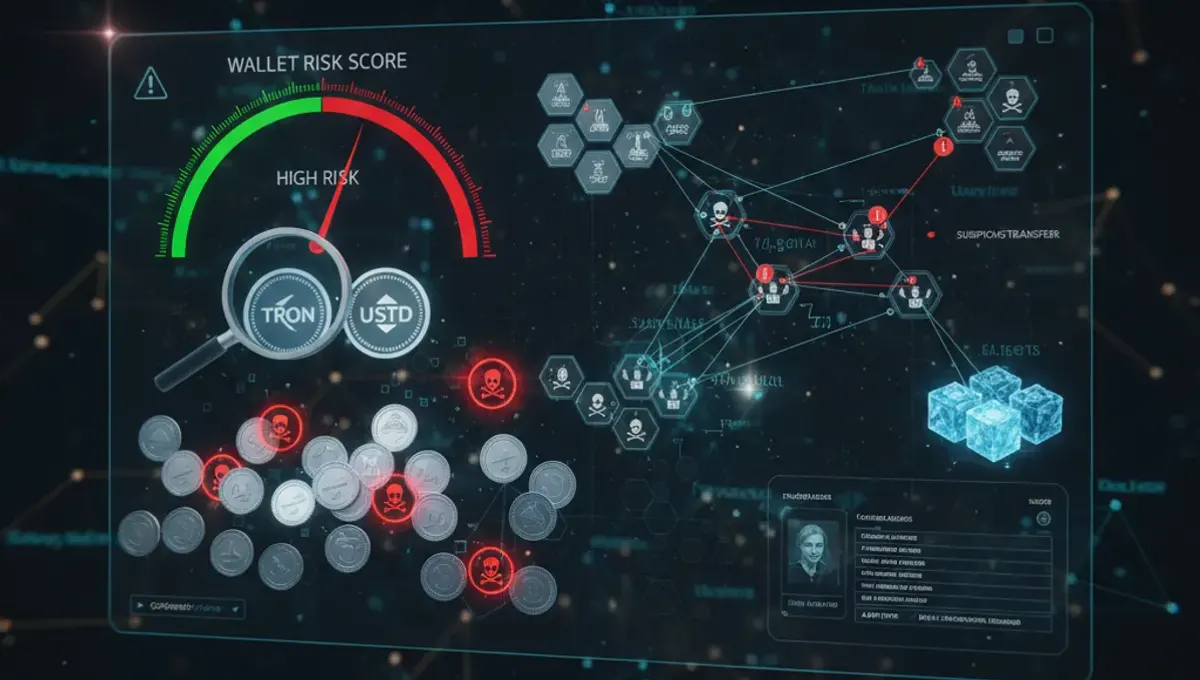
3. Review the risk score and report: The service returns a risk score (typically low, medium, or high) and a detailed report showing any detected red flags—mixer exposure, darknet links, sanctions matches, or stolen fund indicators.
The entire process takes 1–2 minutes. Most services provide instant results. If the wallet shows medium or high risk, you can request the sender use a different address or decline the transfer. For wallets you control, a high-risk score may indicate you've received tainted coins; in that case, consult the service's remediation guidance or contact your exchange compliance team.
Understanding Crypto Wallet Risk Scores
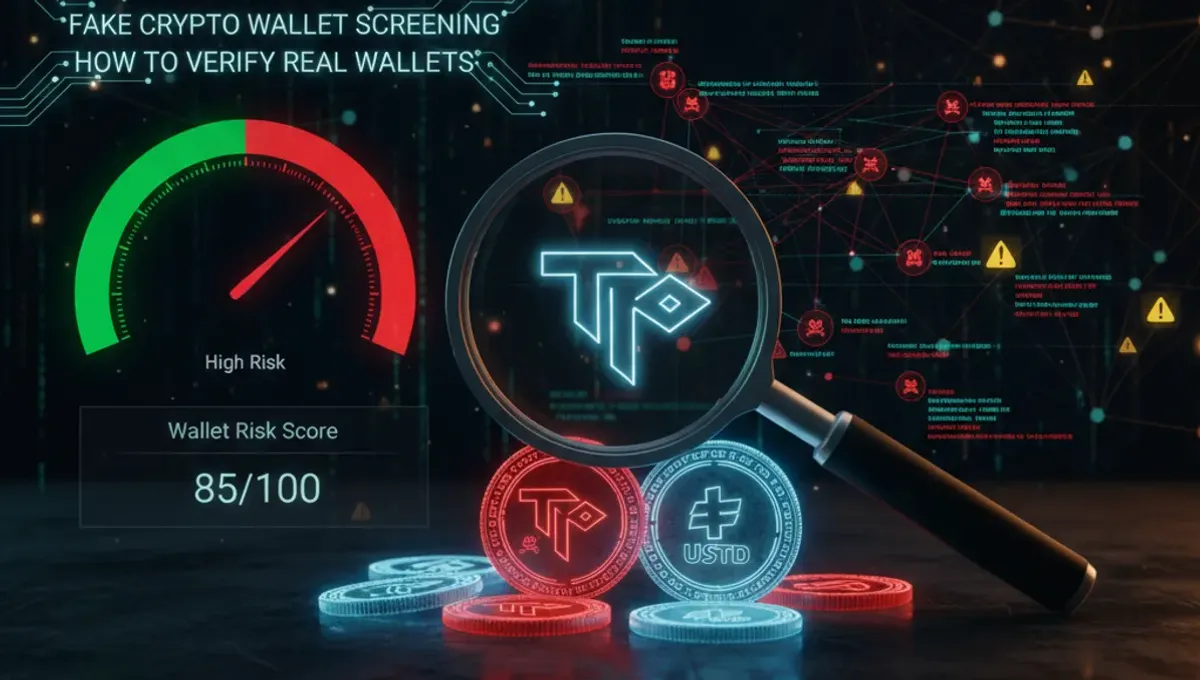
A crypto wallet risk score is a numerical or categorical rating that reflects the likelihood a wallet is linked to illicit activity. Risk scores typically fall into three bands:
- Low Risk (0–30): The wallet shows minimal exposure to known bad actors, mixers, or sanctions lists. Safe to receive and deposit.
- Medium Risk (31–70): The wallet has some exposure—perhaps a transaction routed through a mixer or a connection to a gambling platform. Acceptable for many use cases, but verify the context before deposit.
- High Risk (71–100): The wallet is linked to darknet markets, stolen funds, sanctioned entities, or heavy mixer usage. Deposits may trigger exchange freezes or account bans.
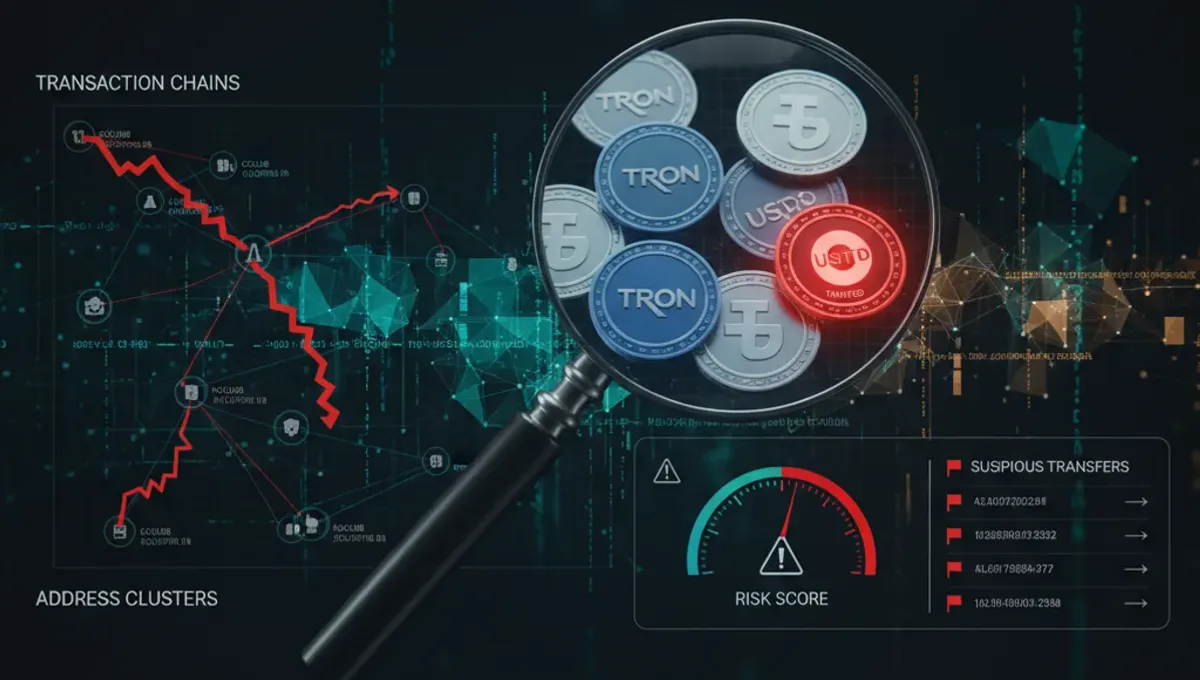
Risk scores are generated by analyzing the wallet's transaction history on the blockchain. Services cross-reference addresses against sanctions lists (OFAC, EU), known darknet market wallets, mixer databases, and theft reports. The score reflects cumulative exposure: a wallet that received funds from a mixer and later sent to a gambling address may score higher than one with a single mixer transaction.
Acceptable thresholds vary by exchange and jurisdiction. Most exchanges accept low-risk wallets without friction. Medium-risk wallets may trigger manual review. High-risk wallets are often blocked outright.
Fake Crypto Wallet Screening: Avoiding Scams and False Results
Not all wallet screening tools are reliable. Fake or low-quality services may return inaccurate risk scores, miss real threats, or sell your data to third parties.
Red flags for unreliable screening services include: no clear methodology or data sources, free services with no limitations, services that don't update their blacklists regularly, and tools that ask for your private keys or seed phrases (legitimate services never need these).
To avoid fake screening, use only established services with transparent data sources and regular updates. Our AML Services page curates verified providers that publish their methodology and maintain up-to-date sanctions and blacklist databases. Before using any new service, check whether they cite their data sources (e.g., official OFAC lists, blockchain analytics firms) and whether independent reviews or compliance professionals recommend them.
Always cross-check high-risk results with a second service if the stakes are high. Legitimate services may disagree slightly on risk scores due to different data sources, but both should flag obvious red flags like sanctioned addresses or known darknet wallets.
Practical: How to Avoid Receiving Tainted Coins
Preventing tainted coin deposits requires screening before you accept funds:
1. Request the sender's wallet address in advance. Before accepting a transfer, ask the sender which wallet they'll send from.
2. Screen the sender's wallet. Use an AML check service to evaluate the sender's address. If it shows high risk, ask them to use a different wallet or decline the transfer.
3. Screen the source of the sender's funds (optional). If the sender is new or the amount is large, you can ask them to provide their wallet address and run a screening. This adds friction but catches compromised or stolen funds early.
4. Set your exchange's deposit preferences. Many exchanges allow you to set a minimum acceptable risk score for incoming deposits. Enable this feature if available.
5. Monitor your wallet after deposit. If you receive coins and later discover they're flagged as tainted, contact your exchange compliance team immediately. Some exchanges offer coin replacement or remediation for inadvertent tainted coin deposits.
For USDT on Tron (TRC20), this process is especially important because Tron's lower fees make it a common route for illicit transfers. Always screen TRX addresses before accepting large USDT deposits.
What Happens When Exchanges Freeze USDT or Crypto Deposits
When an exchange detects a high-risk wallet or tainted coins, it may freeze the deposit pending investigation. Here's what typically happens:
- Immediate hold: The exchange locks the funds and prevents withdrawal or trading.
- Investigation period: Compliance staff review the wallet's history and the source of the coins. This can take days to weeks.
- Possible outcomes: The exchange may release the funds if the risk is deemed acceptable, require additional documentation (proof of legitimate source), or permanently block the account if the coins are linked to sanctions or theft.
Frozen USDT deposits are frustrating and can disrupt your trading or business. In some cases, if the coins are linked to a known theft or sanctions violation, they may never be released.
To avoid freezes, screen wallets before deposit and maintain a clean transaction history. If you do receive a freeze notice, respond quickly to the exchange's compliance requests with documentation of your legitimate use case. Cooperation and transparency improve the chances of release.
Comparing AML Wallet Screening Services
Multiple services offer crypto wallet screening, each with different data sources, speed, and pricing. Key factors to compare:
- Data sources: Does the service use official OFAC/sanctions lists, blockchain analytics, and darknet market databases? Transparent methodology is a sign of reliability.
- Coverage: Which blockchains does it support? (Bitcoin, Ethereum, Tron, etc.)
- Speed: Do results return instantly or after a delay?
- Pricing: Free tier limitations, per-check cost, or subscription models.
- Accuracy: Do independent reviews or compliance professionals recommend it?
Our AML Services page lists verified providers that meet these criteria. Start there to find a service that fits your needs. Most offer a free trial or limited free checks, so you can test the tool before committing to a paid plan. For businesses handling frequent deposits, a subscription service is usually more cost-effective than per-check pricing.
Frequently asked questions
How do I check if a crypto wallet is safe before receiving funds?
Use an AML wallet screening service to check the wallet address. Paste the address into the tool, and it will return a risk score and report within seconds. Look for low-risk scores (0–30) and check for any red flags like mixer exposure or sanctions matches. Our AML Services page lists trusted providers. If the wallet shows high risk, decline the transfer or ask the sender to use a different address.
What does a crypto wallet risk score mean?
A risk score rates the likelihood a wallet is linked to illicit activity. Low risk (0–30) is safe; medium risk (31–70) warrants caution; high risk (71–100) suggests darknet, sanctions, or theft exposure. Scores are based on transaction history analysis, blacklist matching, and mixer detection. Different services may score the same wallet slightly differently due to varying data sources.
Can I get my USDT unfrozen if it's flagged as tainted?
Possibly. Contact your exchange's compliance team immediately and provide documentation of your legitimate use case. If the coins are linked to a known theft or sanctions violation, they may not be released. Cooperation and transparency improve your chances. Some exchanges offer coin replacement for inadvertent tainted deposits. Prevention through pre-deposit screening is more reliable than remediation.
What are the most common reasons a wallet gets flagged as high risk?
High-risk flags typically indicate mixer usage, darknet market exposure, stolen funds, sanctioned entity links, or heavy gambling platform activity. Wallets that received coins from these sources inherit some risk. A single transaction through a mixer may not trigger a high-risk score, but repeated mixer usage or direct darknet connections usually do.
Is crypto wallet screening free?
Many services offer free screening with limits (e.g., a few checks per month). Paid plans unlock unlimited checks and detailed reports. For occasional checks, free tiers suffice. For businesses handling frequent deposits, a subscription is more practical. Check our AML Services page for options that fit your budget and volume.