What Does It Mean to Check a Tron Wallet Address
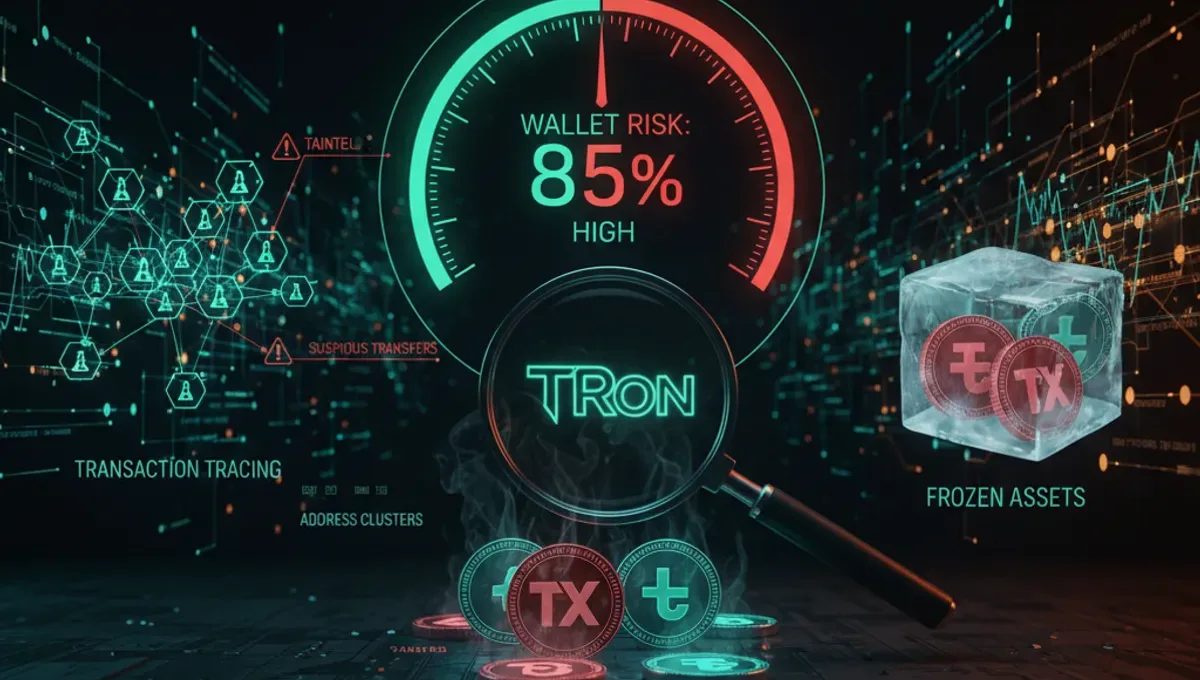
Checking a Tron wallet address means examining its on-chain activity to assess compliance risk. This includes reviewing transaction patterns, counterparty exposure, and whether the address has interacted with known high-risk sources. A Tron address check typically flags addresses linked to mixers (coin-mixing services), darknet markets, scams, stolen funds, or sanctioned entities. The process uses blockchain analytics to trace fund flows and assign a risk score. Unlike a simple balance lookup, a compliance check digs into the wallet's history and reputation. This is critical for exchanges, custodians, and individuals who want to avoid receiving dirty crypto—funds that may be frozen or rejected by downstream services.
How to Check Tron Wallet Balance and Transaction History
To check a Tron wallet address balance and history, use a public blockchain explorer like Tronscan or Tronlink. Enter the wallet address in the search bar to view all transactions, token holdings (including USDT TRC20), and current balance. You'll see incoming and outgoing transfers, timestamps, and counterparty addresses. This gives you a surface-level view of activity but does not reveal risk scoring or AML flags. For a deeper compliance check, you need specialized AML tools that cross-reference the address against sanctions lists, mixer databases, and darknet exposure records. Public explorers are free and transparent but lack the risk intelligence that compliance platforms provide. Combining a balance check with an AML risk assessment gives you the full picture before accepting deposits.
Step-by-Step: How to Check a Tron TRC20 Address for Compliance
Follow these steps to perform a Tron address check for compliance:
- Identify the Tron address you want to screen (begins with 'T').
- Visit a trusted AML screening service—check our curated list of verified AML services on this site for platforms that support Tron and TRC20 tokens.
- Enter the address into the screening tool.
- Review the risk score (typically low, medium, or high).
- Check the detailed report for specific risk factors: mixer exposure, darknet links, sanctions matches, or scam associations.
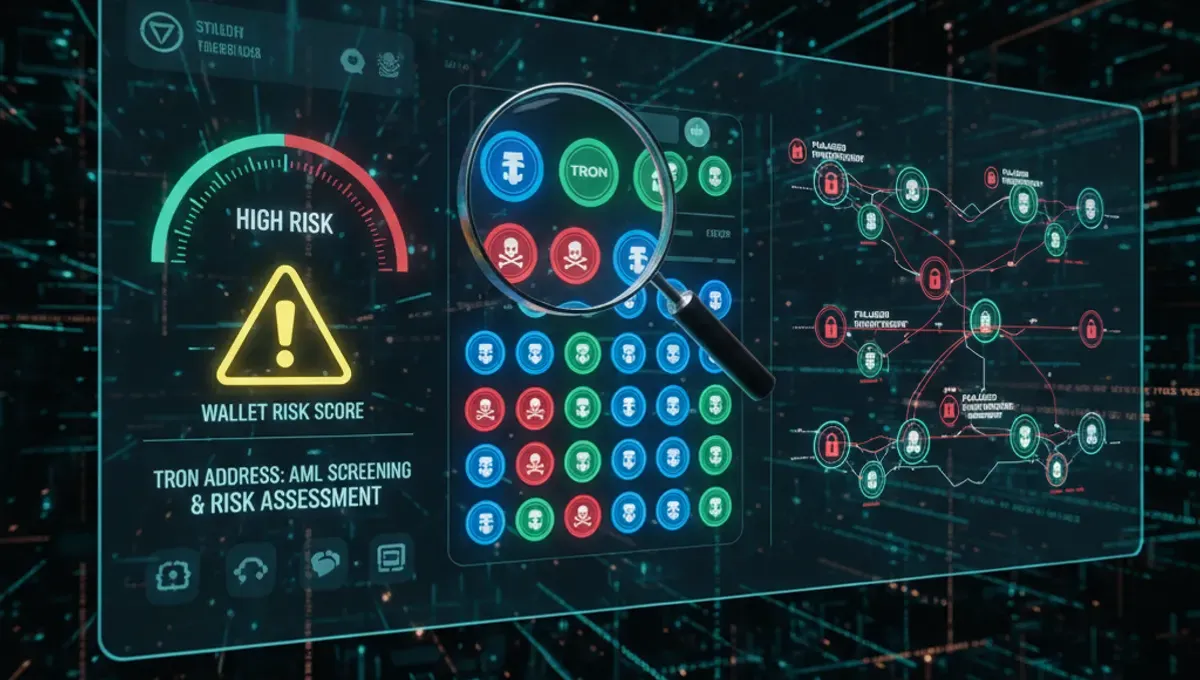
- Examine the transaction graph to see which addresses have sent or received funds to/from the target wallet.
- Decide whether the risk level is acceptable for your use case (e.g., exchange deposits usually require low risk).
- Document the screening result for compliance records.
This process takes minutes and provides evidence that you performed due diligence before accepting the transfer.
Understanding Tron Address Risk Scores and What They Mean
A risk score is a numerical or categorical rating that reflects the likelihood a wallet is associated with illicit activity or compliance violations. Risk scores typically range from low (clean, minimal exposure) to high (significant red flags). Low-risk addresses have minimal interaction with known bad actors and no sanctions matches. Medium-risk addresses may have some exposure to mixers or unverified counterparties but no direct darknet or scam links. High-risk addresses show clear patterns: repeated mixer usage, transactions with known darknet markets, stolen fund traces, or sanctions list matches. Exchange deposit policies vary—most require low-risk scores, some tolerate medium-risk depending on jurisdiction. Understanding your exchange's risk threshold is essential. A Tron wallet address check will break down which specific factors contributed to the score, allowing you to make an informed decision about whether to proceed.
Common Risk Factors Found in Tron Address Checks
When you check a Tron address, the report may flag these risk categories:
• Mixer exposure: The wallet has sent or received funds through coin-mixing services. • Darknet links: Transactions trace back to known darknet marketplace addresses. • Scam association: The address is linked to Ponzi schemes, rug pulls, or phishing campaigns. • Stolen funds: On-chain analysis indicates the wallet received proceeds from theft or hacking. • Sanctions matches: The address matches a name or entity on OFAC or other sanctions lists. • Gambling platforms: High-volume transactions with known gambling services (jurisdiction-dependent risk). • Ransomware: The wallet received payments from ransomware operations.
Not all flags are deal-breakers—context matters. A single transaction with a mixer may be less concerning than repeated mixer usage. Our verified AML services list on this site includes platforms that explain each risk factor in detail, helping you assess whether the risk is acceptable.
What to Do If Your Tron Address Is Flagged as High Risk
If a Tron address check returns a high-risk score, take these steps:
- Review the detailed report to understand which specific factors triggered the flag.
- Trace the transaction history to identify the source of the risk (e.g., a single problematic counterparty).
- If the risk is from an old transaction, note that some platforms age-decay risk over time.
- Contact your exchange or custodian to ask whether they will accept the deposit—policies vary.
- If you control the wallet, consider moving funds through a clean address to separate them from the tainted history.
- Document your findings for compliance purposes.
- Do not attempt to hide or obscure the address—transparency strengthens your position.
In many cases, a high-risk flag does not mean the funds are illegal, only that they warrant extra scrutiny. Exchanges may freeze deposits pending manual review. Proactive screening before deposit prevents surprises and account locks.
Choosing a Reliable Tron Wallet Address Check Service
When selecting a service to check Tron addresses, prioritize these features:
• Tron and TRC20 support: Ensure the platform covers Tron blockchain and USDT TRC20 tokens. • Real-time screening: Updates should reflect current sanctions lists and darknet databases. • Detailed reporting: Look for breakdowns of specific risk factors, not just a score. • Sanctions coverage: Verify the service checks against OFAC, EU, and other relevant lists. • Transaction graph: Ability to visualize fund flows and counterparty networks. • API access: If you screen frequently, API integration saves time. • Pricing: Compare free trials, per-check fees, and subscription models.
Our curated list of verified AML services on this site includes platforms that meet these standards and support Tron address checks. Starting with a trusted service from that list ensures you're using tools built for compliance, not speculation.
Frequently asked questions
How do I check if a Tron address is safe before receiving USDT
Use an AML screening service to check the Tron address for risk flags. Enter the address, review the risk score, and examine the detailed report for mixer exposure, darknet links, or sanctions matches. Low-risk scores indicate the address is safe for most exchanges. Check our verified AML services list for trusted platforms that support Tron and TRC20.
Can I check a Tron wallet address balance for free
Yes, use Tronscan or Tronlink to view balance and transaction history for free. However, these explorers do not provide AML risk scoring or compliance screening. For a full compliance check, you need a specialized AML platform. Many offer free trials or limited free checks—see our AML services list for options.
What does a high-risk Tron address check mean
A high-risk score indicates the wallet has exposure to mixers, darknet markets, scams, stolen funds, or sanctions matches. This does not automatically mean the funds are illegal, but it signals extra scrutiny is needed. Exchanges may freeze deposits pending manual review. Review the detailed report to understand the specific risk factors before deciding to proceed.
How often should I check Tron addresses for compliance
Screen every Tron address before accepting a deposit, especially for large transfers or unfamiliar senders. If you receive frequent transfers, consider setting up API-based screening for automation. Regular checks protect you from frozen USDT and account bans. Our verified AML services support batch and real-time screening for high-volume operations.
What is the difference between checking balance and checking compliance
Checking balance shows current holdings and transaction history via a public explorer. Checking compliance screens the address against AML databases, sanctions lists, and darknet records to assign a risk score. Balance checks are free and instant; compliance checks require a specialized platform and reveal whether the wallet poses regulatory or fraud risk.