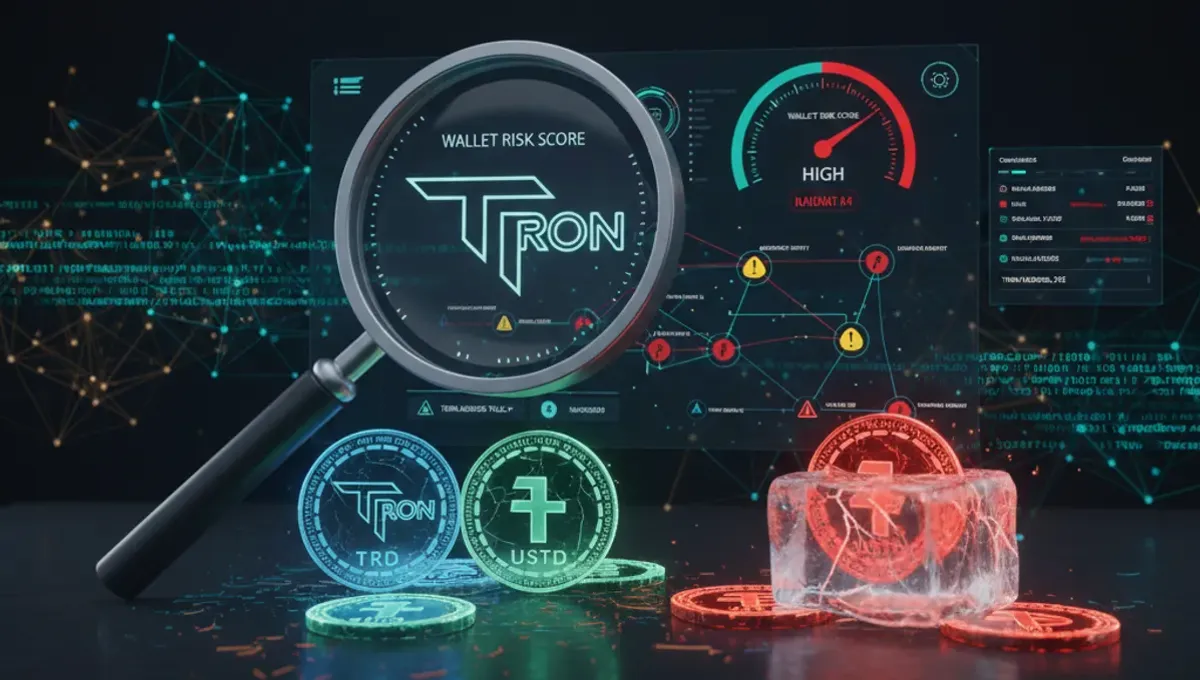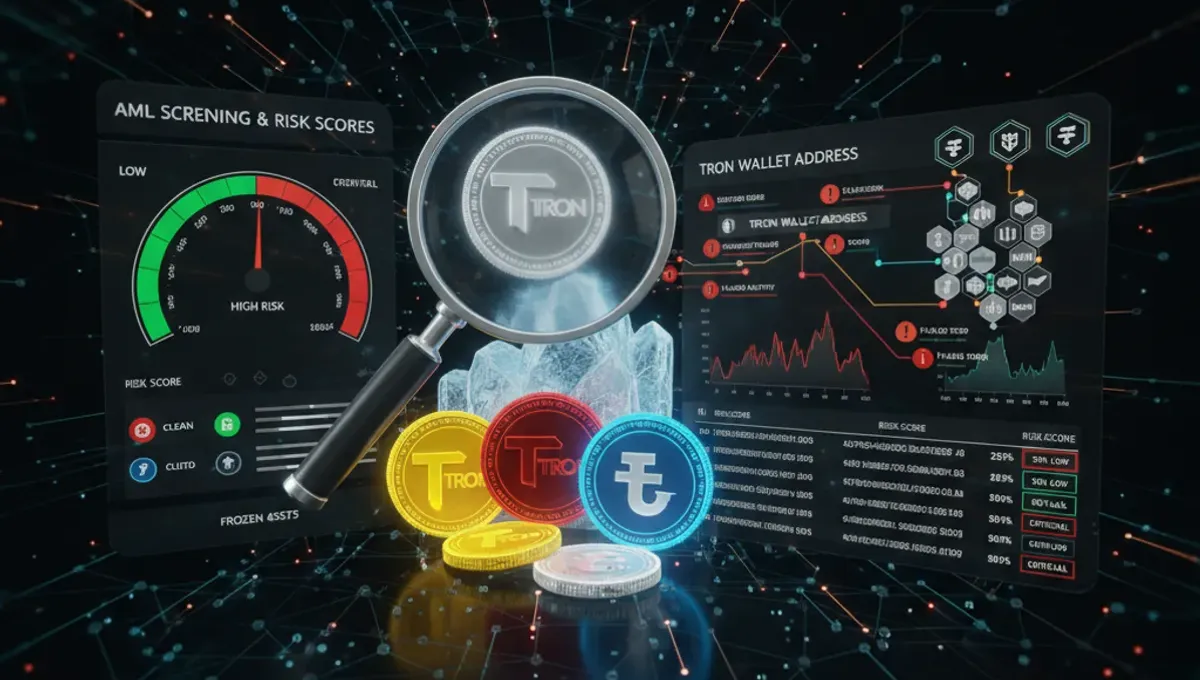
Why Check a Tron Wallet Address Before Receiving Funds
Tron addresses, like all blockchain addresses, can receive coins from any source. If those coins were previously involved in illegal activity, sanctions violations, or high-risk services like mixers, your exchange account may be flagged when you deposit them. Exchanges use blockchain analytics to detect tainted coins and freeze accounts to comply with AML regulations. A wallet address check reveals the transaction history and risk profile attached to those coins before they reach your account. This is especially critical for USDT on Tron (TRC20), which represents real value and triggers stricter compliance scrutiny. Checking the address of the sender—or the address you're about to receive from—takes seconds and can prevent costly deposit freezes.
What Does a Tron Address Check Reveal
A Tron address check examines the on-chain history of that address and any coins it holds or has moved. The check identifies: whether the address has interacted with known mixers or tumbling services; exposure to darknet market wallets; involvement in scams or theft; connections to sanctioned entities or high-risk jurisdictions; and the overall transaction volume and age of the address. The result is a risk score—typically a number or label (low, medium, high, critical)—that reflects the likelihood those coins will trigger compliance alerts at an exchange. A low-risk address has clean transaction history and no known exposure to illegal activity. A high-risk address may have received coins from a mixer, gambling platform, or stolen-funds wallet. The check also flags the specific risk categories so you know exactly why an address is flagged.
How to Check Tron Wallet Balance and Address Risk in One Step
To check a Tron wallet address and its balance together, you need a tool that combines blockchain data with AML risk scoring. The process is straightforward:
- Copy the Tron wallet address you want to check.
- Paste it into an AML screening tool that supports Tron and TRC20.
- The tool queries the blockchain for the address's transaction history and balance, then cross-references it against known risk databases (mixers, darknet markets, sanctions lists, stolen-funds registries).
- Within seconds, you receive a risk score and a breakdown of any flagged activity. The balance shown is the current USDT or TRX held in that wallet. Many tools also show the address's age, total transaction count, and largest incoming transaction. This combined view lets you decide whether to accept coins from that address or request a different one.
Understanding Tron Address Risk Score Levels
Risk scores vary by tool but typically follow this pattern: Low Risk (0–20%): Clean address, no known exposure to illegal activity, safe to receive from. Medium Risk (21–50%): Address has minor red flags—perhaps a small transaction through a mixer or interaction with a gambling platform, but no direct theft or sanctions exposure. High Risk (51–80%): Address has significant exposure—multiple mixer interactions, darknet connections, or involvement in a known scam. Critical Risk (81–100%): Address is directly linked to stolen funds, sanctions violations, or active darknet markets. Most exchanges accept low-risk addresses without hesitation. Medium-risk addresses may trigger manual review. High and critical addresses will likely be blocked or cause account freezes. If you receive coins from a high-risk address, do not deposit them to an exchange; contact the sender and request coins from a different source.
Step-by-Step: How to Check a TRC20 Address Before Accepting USDT
Follow these steps to screen a Tron TRC20 address safely:
- Ask the sender for their Tron wallet address or obtain it from the transaction details.
- Do not send funds yet.
- Visit a trusted AML screening service that supports Tron and TRC20 (our AML Services page lists verified providers).
- Paste the address into the search box.
- Review the risk score and any flagged categories.
- If the score is low, proceed with the transaction.
- If the score is medium, review the specific flags—minor mixer exposure may be acceptable depending on your risk tolerance and exchange policies.
- If the score is high or critical, decline the transaction and ask for coins from a different address.
- Keep a record of the check result for your compliance file. This workflow takes under two minutes and eliminates most compliance surprises.
Common Tron Address Red Flags and What They Mean
When you check a Tron address, watch for these red flags: Mixer exposure—the address has sent or received coins through a mixing service, which obscures the source of funds and is a major compliance concern. Darknet market connection—the address has interacted with known darknet marketplace wallets. Stolen funds—the address received coins flagged as stolen in law enforcement databases or victim reports. Sanctions list match—the address is linked to a sanctioned entity or jurisdiction. Gambling platform activity—the address has moved coins to or from gambling services, which some exchanges restrict. Scam association—the address is linked to a known Ponzi scheme, rug pull, or fraud. Rapid movement—the address received and immediately moved large sums, suggesting it may be a pass-through for illicit funds. Any of these flags warrants caution; critical flags should result in declining the transaction.
What to Do If Your Tron Wallet Address Is Flagged as High Risk
If you check your own Tron address and find it flagged as high risk, first identify the cause. Review your transaction history on a Tron block explorer (TronScan) and look for any interactions with mixers, gambling sites, or other high-risk services. If you unknowingly received coins from a flagged source, those coins may carry that risk forward. Options:
- Do not deposit flagged coins to an exchange—they will likely be frozen.
- If the flag is a false positive or a minor issue, contact the exchange's compliance team and explain the transaction. Some exchanges will review and clear the address.
- Create a new Tron wallet and request clean coins from your counterparty.
- If you are a business, maintain clear records of your address checks and compliance reviews to demonstrate good-faith AML practices. Most importantly, do not ignore a high-risk flag; proactive disclosure is better than a surprise account freeze.
Frequently asked questions
Can I check a Tron wallet address for free?
Yes, many AML screening services offer free checks with basic risk scoring. Free tools typically show the risk level and major red flags. Paid plans provide deeper analysis, transaction history, and detailed risk breakdowns. For a single address check, free options are sufficient; for ongoing monitoring or bulk screening, paid services are more practical.
How long does it take to check a Tron address?
A Tron address check completes in seconds to under a minute. The tool queries the blockchain and cross-references the address against risk databases in real time. Results are instant. If a check takes longer than a few minutes, the service may be experiencing high load; try again shortly.
What is the difference between checking a Tron address and a TRC20 address?
A Tron address is the wallet identifier on the Tron blockchain. TRC20 is the token standard for assets like USDT on Tron. Checking a Tron address reveals the risk profile of that wallet and any coins it holds, including TRC20 tokens. The check method is the same; the risk applies to all assets in that address.
Will checking a Tron address alert the owner?
No. Checking a Tron address is a read-only query of public blockchain data. It does not send any transaction, message, or notification to the address owner. Your check is private and leaves no trace on the blockchain.
What should I do if I already received coins from a high-risk Tron address?
Do not deposit those coins to an exchange. Check your wallet address first to see if the risk transferred to you. If your address is now flagged, contact the exchange's compliance team before depositing. Explain the source and provide documentation. In some cases, exchanges will clear the address; in others, you may need to move the coins to a new wallet or return them to the sender.