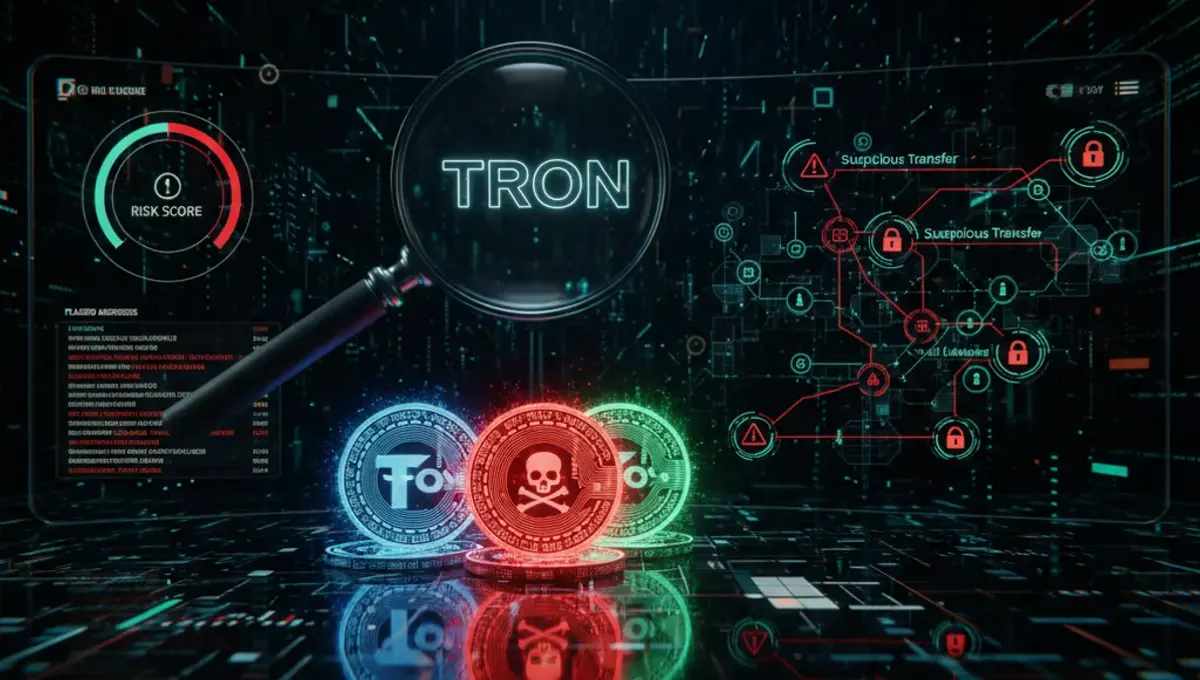
What Is a Red Flag in AML and Why It Matters for Crypto
A red flag in AML (anti-money laundering) is any pattern, transaction, or behavior that suggests potential financial crime or regulatory violation. In cryptocurrency, red flags include deposits from mixers, darknet marketplaces, sanctioned entities, or wallets flagged in theft reports. These indicators trigger compliance reviews at exchanges and custodians, often resulting in frozen accounts or delayed withdrawals. Detecting red flags early protects you from receiving dirty crypto—coins with a history of illicit use—which can render your holdings illiquid or subject to seizure. AML checks and KYT (Know Your Transaction) tools scan blockchain history to surface these risks before you accept a deposit. Ignoring red flags exposes you to regulatory scrutiny, loss of exchange access, and potential legal liability if you knowingly handle proceeds from crime.
Common Cryptocurrency Money Laundering Red Flags
Cryptocurrency money laundering red flags fall into several categories. Mixer and tumbler activity indicates deliberate obfuscation of transaction history. Darknet market exposure means the wallet has received funds from known illegal marketplaces. Sanctioned entity connections link the address to individuals or organizations under government restrictions. Stolen fund indicators appear when coins are traced to confirmed theft or fraud incidents. Rapid movement between exchanges suggests layering—moving funds quickly to obscure their origin. Unusual transaction patterns, such as round-number deposits followed by immediate conversion to stablecoins, can signal structuring. Gambling platform connections flag wallets linked to high-risk betting sites. High-frequency trading with no clear economic purpose may indicate wash trading or market manipulation. Each category carries different compliance risk levels. AML check services assign risk scores based on these factors, helping you decide whether to accept a transaction. Understanding the specific red flag category helps you assess whether the risk is acceptable for your use case.
How AML Risk Scoring Works for Crypto Wallets
AML risk scoring assigns a numerical or categorical rating to a wallet based on blockchain analysis and historical data. Most services use a scale—for example, low (green), medium (yellow), or high (red)—or numeric scores from 0 to 100. The scoring algorithm examines transaction history, counterparty addresses, time patterns, and known blacklists. Wallets with direct links to sanctioned entities or darknet markets receive high-risk scores immediately. Wallets with indirect exposure—for instance, receiving funds from a mixer—receive medium or elevated scores depending on transaction recency and volume. Age of the wallet, transaction frequency, and consistency of behavior also influence the score. A wallet that has been dormant for years and suddenly receives a large deposit may trigger a higher score than an active, established address with similar transaction volume. Most exchanges and custodians set internal thresholds: they may accept low-risk deposits automatically, require manual review for medium-risk, and reject high-risk transactions outright. Understanding your exchange's risk tolerance helps you decide whether to proceed with a transaction or seek clarification from the sender.
How to Check a Wallet for AML Red Flags Before Receiving Crypto
Before accepting a deposit of USDT, TRX, BTC, or other assets, follow these steps to screen the sending wallet:
- Obtain the sender's wallet address and confirm it matches any documentation or communication.
- Use a blockchain explorer (e.g., Tronscan for TRX, blockchain.com for BTC) to view the address's transaction history and balance.
- Run the address through an AML check service to generate a risk report. Most services provide a risk score, flagged transaction categories, and historical context.
- Review the report for red flags: mixer activity, darknet exposure, sanctions matches, or theft reports.
- Check the transaction amount and timing. Unusually large deposits or urgent requests warrant extra scrutiny.
- If the report shows medium or high risk, contact the sender to understand the transaction's purpose and origin.
- Consult your exchange's or custodian's AML policy to confirm whether the risk level is acceptable.
- Document the check and the sender's explanation for your compliance records.
For USDT on Tron (TRC20), use Tronscan to inspect the address, then cross-reference with an AML check service that supports Tron addresses. The same process applies to Bitcoin, Ethereum, and other blockchains. Starting with our curated list of verified AML services is the safest approach—these tools are designed specifically for crypto compliance and integrate real-time blockchain data.
Understanding AML Check Fees and Cost Considerations
AML check fees vary widely depending on the service provider and check scope. Some services offer a limited number of free checks per month, with charges for additional queries. Others charge per check, ranging from a few cents to several dollars per address. Enterprise or API-based services often charge monthly subscriptions, which may be cost-effective if you perform frequent checks. The AML fee typically reflects the depth of analysis: basic checks may only screen against sanctions lists, while comprehensive checks include mixer detection, darknet exposure analysis, and theft report cross-referencing. For individual users or small businesses, free or low-cost options may suffice for occasional wallet screening. High-volume traders or custodians often invest in paid services for faster response times, detailed reporting, and API integration. When evaluating AML check cost, consider the value of avoiding a frozen account or receiving tainted coins—the cost of a single check is negligible compared to the risk of compliance violations. Our AML Services page lists verified providers with transparent pricing, helping you compare options and choose a service that fits your budget and compliance needs.
What to Do If Your Crypto Is Flagged as Tainted or High-Risk
If you receive a deposit flagged as tainted or high-risk, take these steps:
- Do not panic or immediately liquidate the coins. Assess the specific red flag category and risk score.
- Contact the sender and ask for clarification on the transaction's origin and purpose.
- Request documentation if the sender claims the funds are legitimate (e.g., payroll, business income, inheritance).
- Review your exchange's or custodian's policy on high-risk deposits. Some accept them with additional verification; others may freeze the account pending investigation.
- If you hold the coins in a self-custody wallet, they remain yours, but depositing them to an exchange may trigger a freeze or rejection.
- Consider the age and context of the red flag. Older mixer activity may be less concerning than recent darknet exposure.
- If the coins are confirmed stolen or linked to sanctions violations, do not attempt to move or liquidate them—this may constitute money laundering.
- Consult a compliance professional or legal advisor if the situation is complex or involves large amounts.
In many cases, legitimate transactions receive elevated risk scores due to indirect exposure or conservative scoring thresholds. Communication with the sender and your exchange often resolves the issue. However, if the red flag involves active sanctions or confirmed theft, the coins may be permanently illiquid.
Acceptable Risk Score Thresholds and Compliance Best Practices
Most exchanges and institutional custodians set internal risk thresholds based on regulatory requirements and business risk tolerance. A typical framework looks like this:
Low risk (0–20 score or green flag): Accepted automatically. Minimal compliance overhead.
Medium risk (21–60 score or yellow flag): Accepted with additional verification. May require sender documentation or transaction purpose confirmation.
High risk (61–100 score or red flag): Rejected or escalated for manual review. May require legal review or sanctions screening before acceptance.
These thresholds are not universal—they depend on jurisdiction, business type, and regulatory guidance. Retail users may accept higher-risk transactions than institutional custodians. Best practices include: always run an AML check before accepting deposits above a certain threshold (e.g., $1,000); document all checks and decisions for audit purposes; update your risk assessment procedures as regulations evolve; and use consistent, transparent criteria across all transactions. Avoiding tainted coins requires discipline and a clear process. By establishing and following a risk threshold policy, you reduce the likelihood of frozen accounts, regulatory penalties, and reputational damage.
Frequently asked questions
What are the most common cryptocurrency money laundering red flags?
The most common red flags include mixer or tumbler activity, darknet marketplace exposure, sanctioned entity connections, stolen fund indicators, rapid exchange transfers, and unusual transaction patterns. Each indicates potential illicit activity or regulatory violation. AML check services detect these patterns and assign risk scores to help you assess transaction safety before accepting deposits.
How much does an AML check cost?
AML check fees range from free (limited checks per month) to a few dollars per check, depending on the provider. Enterprise services charge monthly subscriptions. The cost reflects analysis depth—basic checks screen sanctions lists, while comprehensive checks include mixer detection and darknet exposure. Compare providers on our AML Services page to find transparent pricing that fits your needs.
What should I do if I receive crypto flagged as high-risk?
Contact the sender for clarification and documentation of the transaction's origin. Review your exchange's policy on high-risk deposits. Assess the specific red flag category—older mixer activity may be less concerning than recent sanctions exposure. If the coins are confirmed stolen or sanctioned, do not attempt to move them. Consult a compliance professional for complex situations.
Can I use tainted crypto if I didn't know it was stolen?
Unknowingly receiving tainted crypto does not shield you from compliance risk. Exchanges may freeze your account pending investigation. If you later discover the coins are stolen or sanctioned, attempting to liquidate them could constitute money laundering. Always run an AML check before accepting deposits to avoid this situation.
What risk score should I accept for USDT or TRX deposits?
Most exchanges accept low-risk scores (0–20) automatically and require verification for medium-risk (21–60). High-risk scores (61–100) are typically rejected or escalated. Your threshold depends on your risk tolerance and regulatory requirements. Establish a clear policy and document all checks. Our AML Services page lists tools to help you screen addresses consistently.