What Are the Main Types of Sanctions Screening?
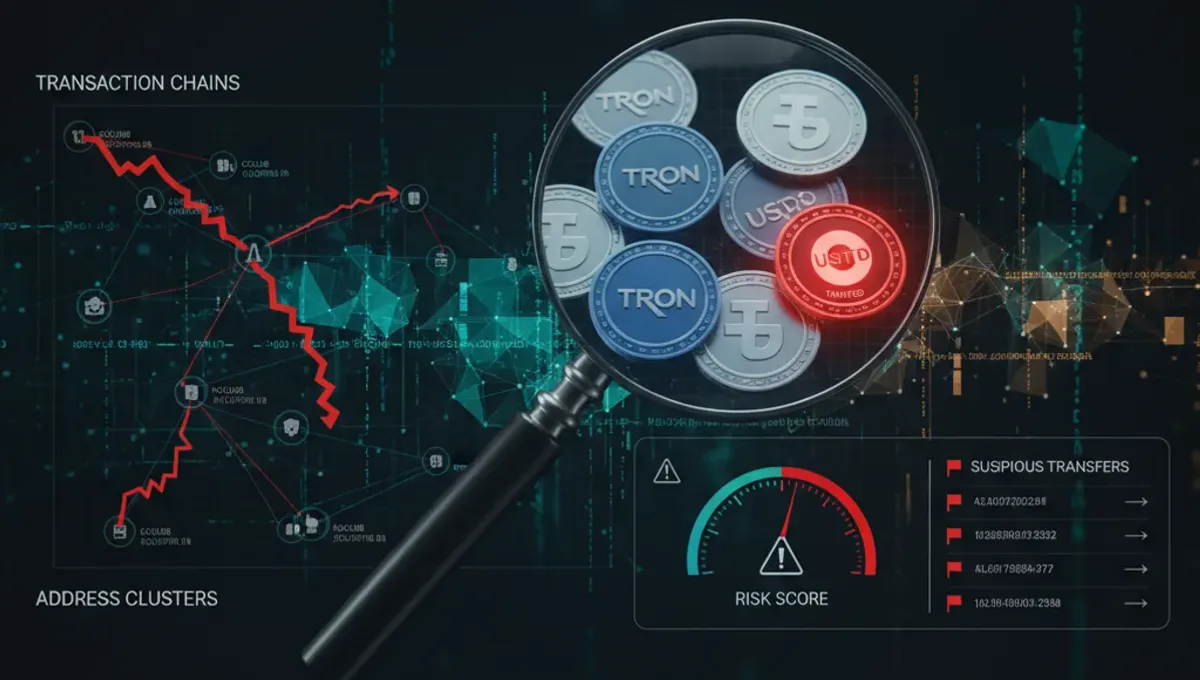
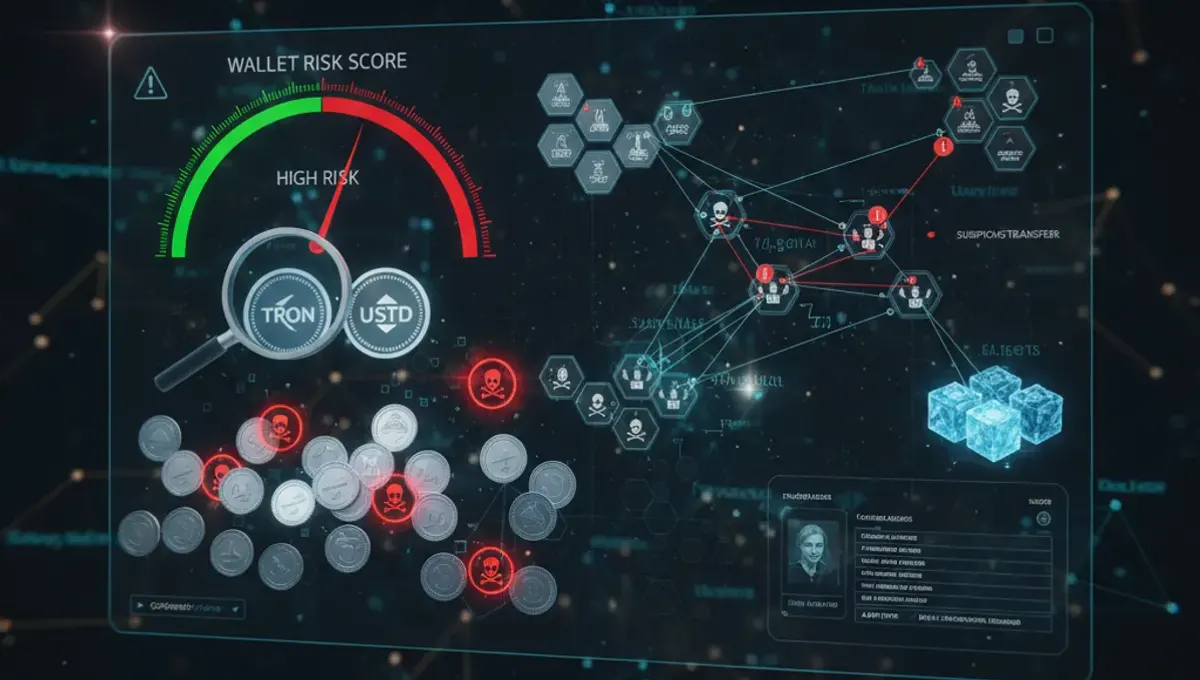
Sanctions screening falls into three primary categories. Entity screening matches wallet addresses, business names, and individuals against government blacklists like OFAC's SDN list. Transaction screening monitors the flow of funds to detect patterns linked to sanctioned jurisdictions or high-risk activities. Wallet screening combines both: it checks the source address, transaction history, and destination to assess overall compliance risk. OFAC sanctions screening requirements mandate that financial institutions and crypto exchanges perform these checks before processing deposits. For crypto, wallet screening is the most practical entry point because it reveals whether incoming USDT on TRC20 or Bitcoin has been tainted by prior contact with sanctioned entities, mixers, or darknet markets. Each type serves a different compliance need: entity screening catches direct violations, transaction screening detects indirect exposure, and wallet screening prevents downstream liability.
How Does OFAC Sanctions Screening Work?
OFAC maintains several lists: the SDN (Specially Designated Nationals) list, the Consolidated Non-SDN List, and sector-specific sanctions programs. When you perform OFAC sanctions screening requirements, you cross-reference wallet addresses and transaction counterparties against these lists. The process involves extracting the wallet address or entity identifier, querying it against current OFAC data, and flagging any exact or fuzzy matches. For crypto, this is complicated because OFAC lists contain names and traditional identifiers, not blockchain addresses. Compliance teams therefore use blockchain analytics to link known bad addresses to OFAC entities. For example, if a sanctioned entity's wallet is identified through investigation, that address is added to internal watchlists. Crypto wallet screening services automate this by maintaining updated OFAC mappings and checking incoming deposits in real time. The screening must be repeated regularly because OFAC updates its lists frequently, and new sanctions can be added without notice.
What Is Entity Screening vs. Transaction Screening?
Entity screening checks whether a specific wallet address, business, or individual is directly listed on a sanctions list. It answers: Is this wallet owner sanctioned? The check is binary—either the entity matches or it does not. Transaction screening, by contrast, monitors the movement of funds and asks: Has this money passed through a sanctioned address or high-risk channel? A wallet may not be sanctioned itself but could receive funds from a mixer, darknet market, or stolen-funds address. Transaction screening detects these indirect exposures. For crypto compliance, both are necessary. Entity screening catches obvious violations; transaction screening catches tainted coins. A USDT deposit on TRC20 might come from an unsanctioned wallet but have a history of mixing or gambling exposure. Crypto wallet screening combines both approaches: it flags the source address (entity check) and traces the fund's origin (transaction check) to give you a complete risk picture before accepting the deposit.
What Risk Categories Does Sanctions Screening Cover?
Modern crypto wallet screening covers multiple risk categories beyond OFAC sanctions. Darknet market exposure flags addresses linked to known dark web marketplaces. Mixer exposure indicates funds have passed through privacy-mixing services, which obscure transaction trails. Stolen funds detection identifies wallets associated with exchange hacks, scams, or theft. Gambling exposure marks addresses involved in high-volume gambling transactions. Ransomware exposure flags addresses linked to known ransomware payment schemes. Sanctioned jurisdiction exposure identifies activity in countries under comprehensive sanctions. Each category carries different compliance weight: OFAC sanctions are hard regulatory violations; darknet or mixer exposure is high-risk but not always a direct violation depending on jurisdiction. When you check a crypto wallet before receiving USDT or TRX, you should review all these categories, not just OFAC matches. A wallet with no OFAC hit but heavy mixer exposure may still pose unacceptable risk to your business.
How to Perform Sanctions Screening on a Crypto Wallet
Step-by-step process for screening a wallet before accepting a deposit:
- Extract the wallet address from the incoming transaction or customer.
- Verify the address format (valid Bitcoin, Ethereum, TRC20, etc.).
- Query the address against OFAC and other sanctions lists using a compliance tool.
- Review the transaction history to identify the source of funds.
- Check for exposure to mixers, darknet markets, stolen funds, or other risk categories.
- Assign a risk score based on the findings.
- Compare the risk score against your acceptable threshold.
- Document the screening result for audit purposes.
For practical implementation, use a dedicated crypto wallet screening service rather than manual OFAC lookups. Manual checks are slow and incomplete because they don't trace transaction history or detect indirect exposure. Services listed on our curated AML Services page provide automated screening, real-time updates, and compliance-grade reporting. They handle TRX, USDT, Bitcoin, and Ethereum addresses and return results in seconds. This is the safest starting point for any crypto business.
What Risk Score Thresholds Should You Accept?
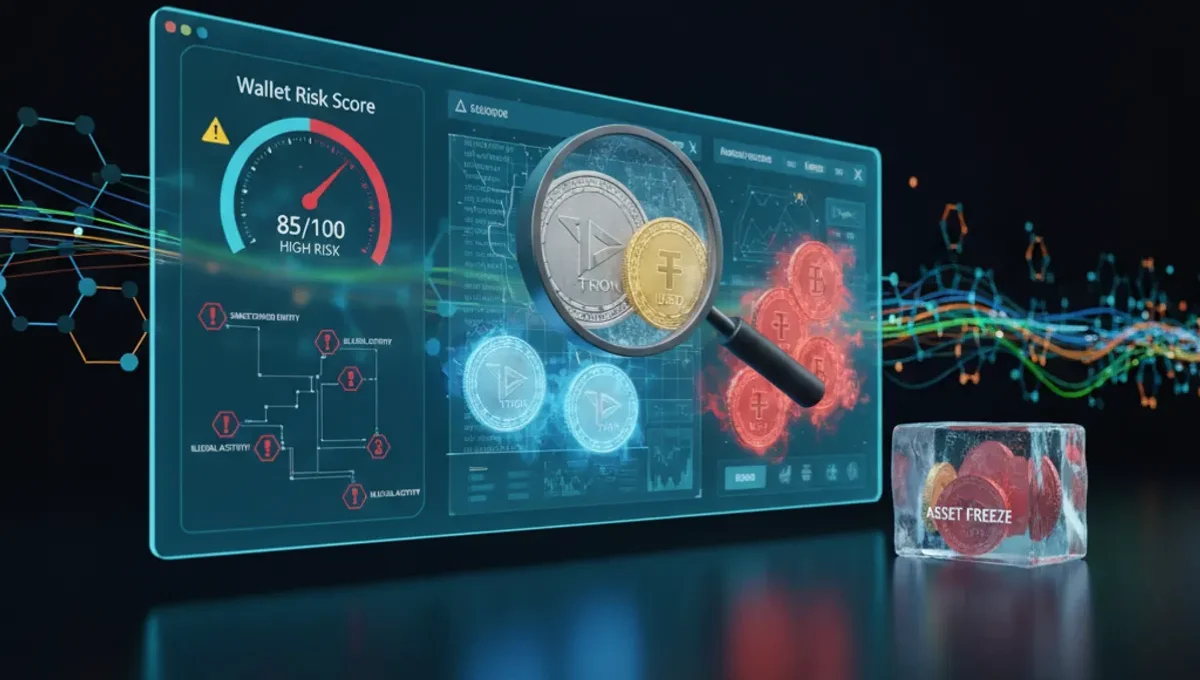
Risk scores typically range from 0 (clean) to 100 (highest risk). Acceptable thresholds depend on your business model and regulatory environment. High-compliance businesses (exchanges, custodians) often reject any score above 20–30. Medium-compliance businesses (payment processors, lending platforms) may accept scores up to 50–70 with additional review. Low-compliance businesses (peer-to-peer platforms) may accept higher scores but face greater regulatory exposure. For OFAC sanctions screening requirements, any direct OFAC match is typically non-negotiable—reject immediately. For indirect exposure (mixer, darknet, stolen funds), your threshold should reflect your risk appetite. A USDT deposit flagged for mixer exposure but no OFAC hit might be acceptable if you're willing to accept the reputational and regulatory risk. Document your threshold policy and apply it consistently. If a wallet is flagged as dirty crypto, consider requesting additional customer documentation or rejecting the deposit. The cost of a frozen account or exchange ban far exceeds the revenue from a single questionable deposit.
Why Sanctions Screening Matters for Crypto Deposits
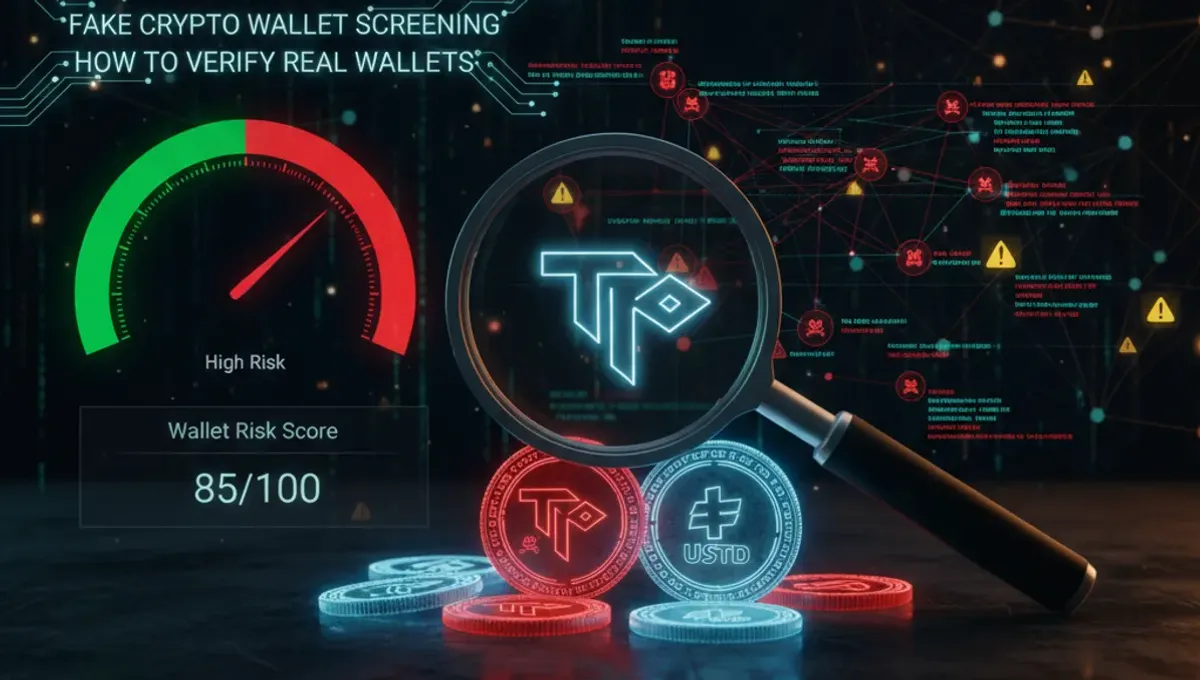
Exchanges and custodians freeze USDT and Bitcoin deposits linked to sanctions violations or high-risk activity. If you accept tainted coins without screening, you inherit that risk: your own account can be frozen, your business can face regulatory penalties, and your customers may lose access to their funds. Sanctions screening is not optional for regulated entities; it's a compliance requirement. Even unregulated platforms benefit from screening because it reduces the likelihood of receiving stolen or sanctioned funds. Fake crypto wallet screening—using outdated lists or incomplete tools—creates false confidence and exposes you to the same risks as no screening at all. Proper screening requires real-time OFAC updates, transaction history analysis, and multi-category risk detection. This is why using verified services from our AML Services page is the industry standard. They maintain current sanctions data, integrate blockchain analytics, and provide audit-ready reports. The cost is minimal compared to the liability of a compliance failure.
Frequently asked questions
What is the difference between OFAC screening and general wallet screening?
OFAC screening checks only against U.S. government sanctions lists (SDN, Consolidated Non-SDN). General wallet screening includes OFAC but also covers darknet exposure, mixer activity, stolen funds, and other risk categories. For crypto compliance, general wallet screening is more comprehensive because it catches indirect exposure that OFAC alone would miss.
Do I need to screen every crypto deposit?
Yes, if you are a regulated entity or accept customer deposits. Screening every transaction is the compliance standard. Unregulated platforms should also screen to avoid receiving stolen or sanctioned funds. Automated screening through verified services makes this practical and cost-effective, even for high-volume platforms.
What happens if I receive USDT flagged as dirty crypto?
If you accept dirty crypto, your exchange account can be frozen, your business can face penalties, and your customers lose access to their funds. If you detect it before acceptance, reject the deposit and request an alternative source. If detected after acceptance, report it to compliance and cooperate with regulators. Prevention through pre-deposit screening is always better than remediation.
How often do OFAC lists update?
OFAC updates its lists frequently—sometimes multiple times per week. Sanctions screening tools must refresh their OFAC data regularly to remain current. Manual lookups are unreliable because they lag behind updates. Use automated services that sync with OFAC in real time to ensure you catch new sanctions immediately.
Can a wallet be clean on OFAC but still risky?
Yes. A wallet can have no OFAC match but show heavy mixer exposure, darknet connections, or stolen-funds history. This is why comprehensive wallet screening is essential. OFAC is a baseline; it does not cover all compliance risks. Always review the full risk profile, not just the OFAC status.