What Is a Tron Address and How Does It Work
A Tron address is a 34-character alphanumeric string starting with the letter 'T' that identifies a wallet on the Tron blockchain. Each address is derived from a public key through cryptographic hashing, ensuring uniqueness. When you create a Tron wallet, you receive both a public address (which you share to receive funds) and a private key (which you keep secret to authorize transactions). Tron addresses hold TRX tokens and TRC20-based assets, including USDT on Tron (often called USDT TRC20). Unlike traditional bank accounts, Tron addresses are pseudonymous—they don't require identity verification to create, but all transactions are permanently recorded on the public blockchain. This transparency is why AML crypto checks matter: you can trace the history of any address to identify risk.
How to Check a Tron Address for AML Compliance
To check a Tron address, you need to examine its transaction history and assess whether it has received funds from high-risk sources. Start by visiting a blockchain explorer (such as the official Tron network explorer) and entering the address. This shows all incoming and outgoing transactions. However, manual review is time-consuming and requires expertise to spot red flags. A more reliable approach is to use an AML check service that automatically screens the address against known risk indicators. These services assign a risk score based on factors like exposure to mixers, darknet markets, stolen funds, sanctioned entities, and gambling platforms. Our curated list of verified AML services on this site provides trusted tools for checking Tron addresses quickly and accurately. When receiving USDT TRC20 or other TRC20 assets, always run a tron address check before accepting the transfer to avoid frozen deposits or exchange account bans.
What Are Red Flags in a Tron Address
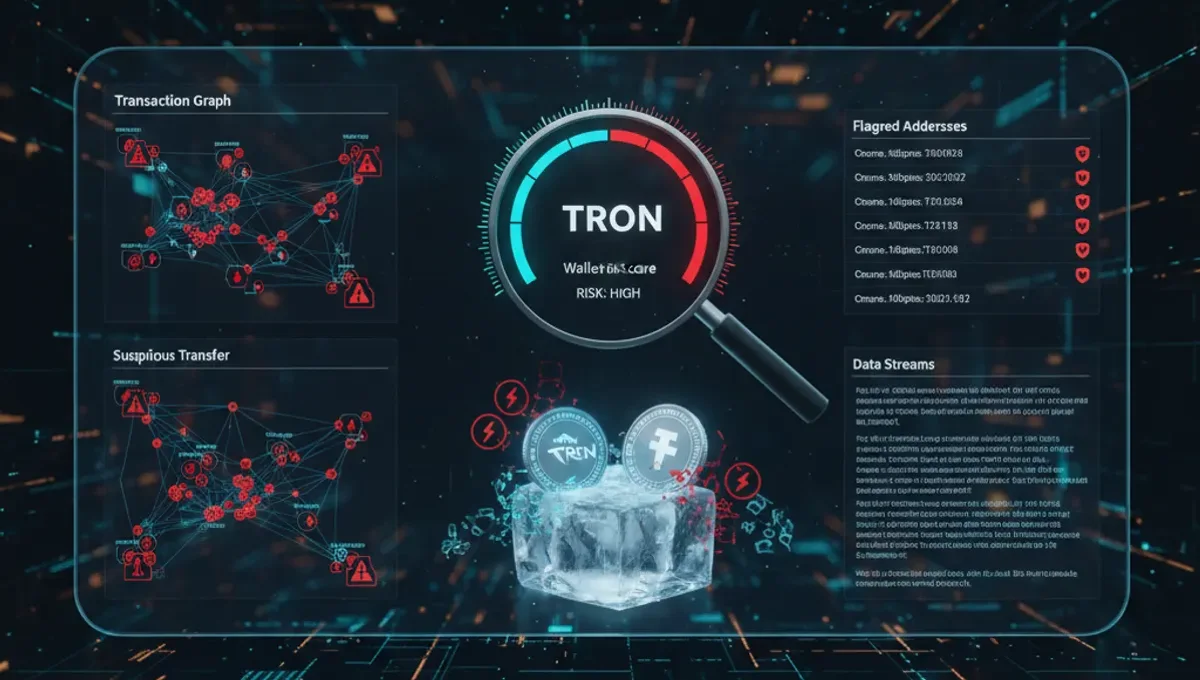
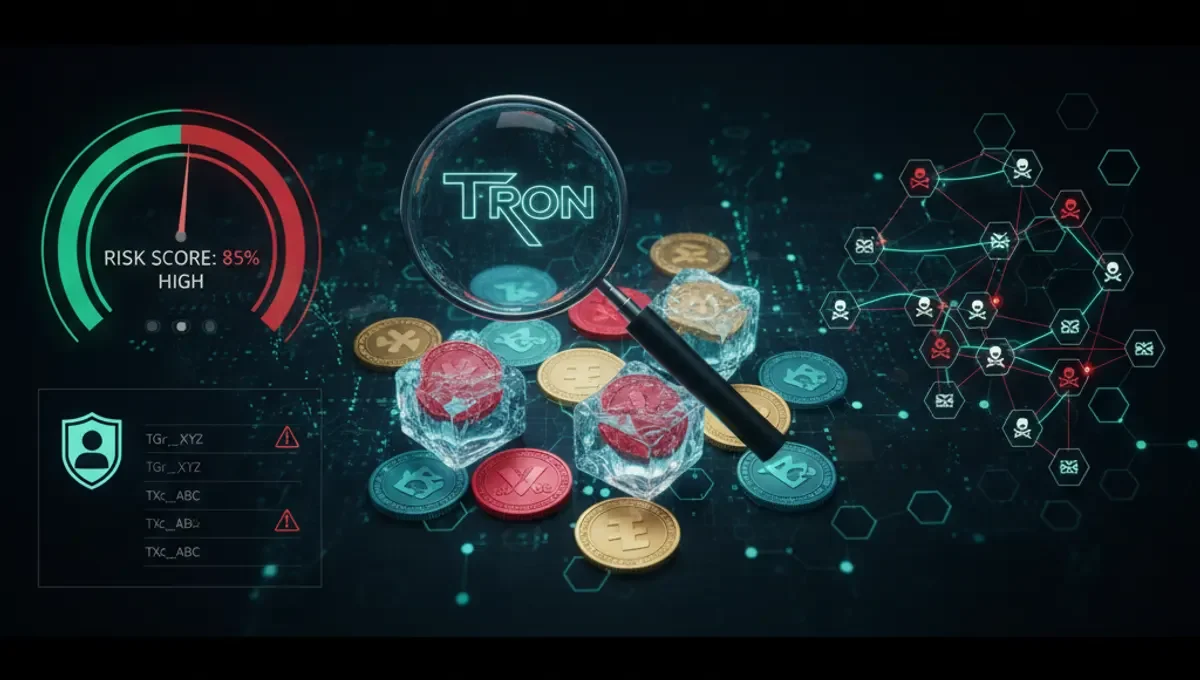
A red flag in AML crypto screening indicates that an address has interacted with high-risk sources. Common red flags include: transactions with known mixers (services that obscure fund origins), deposits from darknet markets, transfers involving stolen funds, connections to sanctioned entities or individuals, and activity linked to scams or fraud. An address may also be flagged if it has received funds through gambling platforms or other high-risk services. When you check a Tron address, the AML risk score reflects the severity and frequency of these connections. A high-risk score doesn't necessarily mean the address owner is guilty of wrongdoing—they may have unknowingly received tainted coins—but it signals that you should investigate further before accepting a large transfer. Exchanges often freeze USDT or other assets if they detect high-risk addresses, so understanding what is a red flag in AML helps you avoid compliance issues.
Understanding AML Risk Scores for Tron Addresses
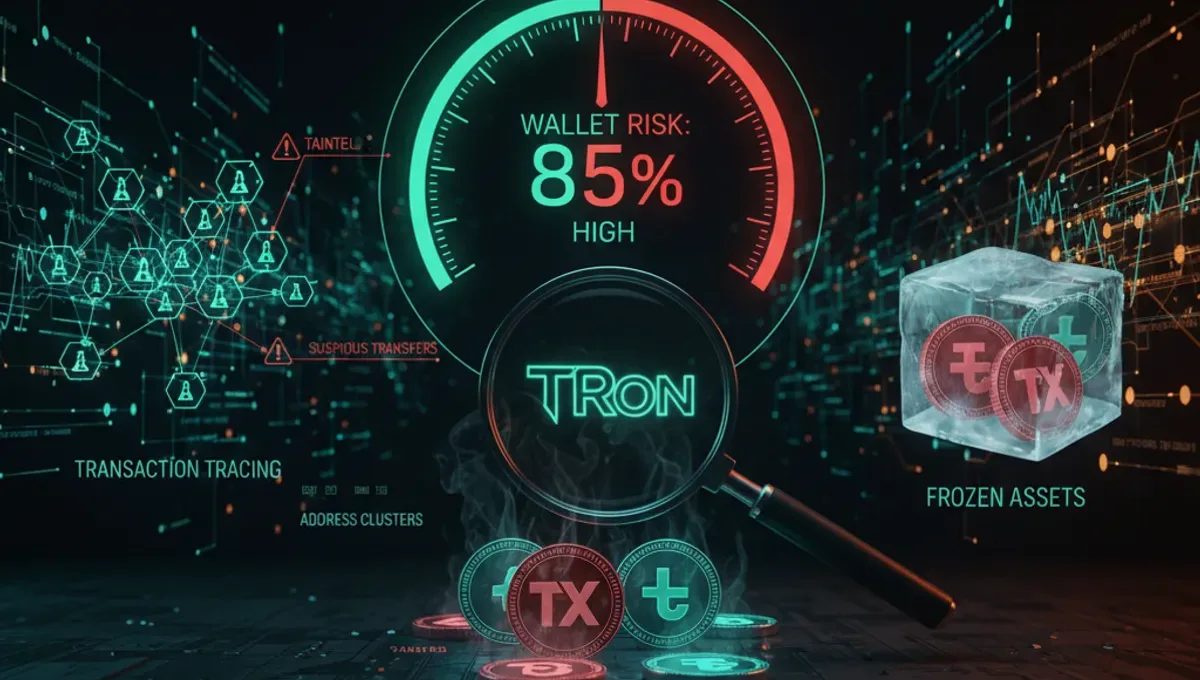
An AML risk score is a numerical rating assigned to a Tron address based on its transaction history and exposure to known risk categories. Scores typically range from 0 (very low risk) to 100 (very high risk), though the exact scale varies by service. A score below 20 generally indicates minimal risk and is acceptable for most transactions. Scores between 20 and 50 suggest moderate risk—the address may have received funds from questionable sources, but the exposure is limited. Scores above 50 are considered high risk and warrant caution; many exchanges will flag or freeze accounts receiving funds from such addresses. When you check a Tron address, the risk score provides a quick way to assess whether accepting a payment is safe. The score is calculated by analyzing the address's entire transaction chain, looking for connections to mixers, darknet markets, sanctioned lists, and other risk factors. Using a tron address checker from our verified AML services list ensures you get accurate, up-to-date risk assessments.
Step-by-Step Guide to Checking a Tron Address Before Receiving USDT
Follow these steps to verify a Tron address before accepting a payment:
- Obtain the full Tron address from the sender (it should start with 'T' and be 34 characters long).
- Visit one of the verified AML services listed on our AML Services page.
- Enter the Tron address into the tron address checker tool.
- Review the risk score and any flagged risk categories (mixers, darknet, sanctions, etc.).
- If the score is below 20, the address is generally safe to receive from.
- If the score is between 20 and 50, investigate further—ask the sender about the source of funds.
- If the score exceeds 50, consider declining the payment or requesting funds from a different address.
- Document the check result for your compliance records.
This process takes minutes and protects you from receiving frozen USDT TRC20 or triggering exchange account bans. Always perform this check for large transfers or payments from unfamiliar senders.
Why Tron Address Verification Matters for Compliance
Verifying a Tron address is critical because exchanges and financial institutions now enforce strict AML policies. If you receive USDT or other TRC20 assets from a high-risk address and later try to deposit them into an exchange, your account may be frozen pending investigation. This can lock your funds for weeks or months. Additionally, what is AML crypto compliance is now a legal requirement in most jurisdictions—businesses and individuals handling crypto must screen transactions and report suspicious activity. By checking a Tron address before accepting payment, you ensure the funds are clean and reduce your exposure to regulatory scrutiny. Blockchain analytics firms and exchanges use the same screening methods to identify tainted coins, so proactive verification protects both your assets and your reputation. The cost of a tron address check is minimal compared to the risk of frozen deposits or compliance violations.
Common Questions About Tron Addresses and AML Checks
Many users ask whether all Tron addresses need to be checked. The answer depends on context: if you're receiving a small payment from a trusted contact, the risk is low. However, for any significant transaction or payment from an unknown sender, a check is prudent. Another question is whether checking an address reveals the sender's identity. No—Tron addresses are pseudonymous, so the check only reveals the address's transaction history and risk exposure, not the person behind it. Users also wonder if a high-risk score means the address is stolen. Not necessarily; it means the address has received funds from high-risk sources, which could indicate theft, but it could also reflect legitimate activity that happened to involve risky counterparties. Finally, many ask if they can remove a high-risk score. No—the score reflects historical transactions and cannot be changed, but a new address can be created to receive future payments.
Frequently asked questions
How do I know if a Tron address is safe to receive from
Use a tron address checker to run an AML compliance scan. The tool will assign a risk score based on the address's transaction history. Scores below 20 are generally safe; scores above 50 indicate high risk. Always check before accepting large transfers from unfamiliar senders to avoid receiving tainted coins or frozen USDT.
What does it mean if a Tron address has a high AML risk score
A high risk score (above 50) means the address has received funds from known high-risk sources such as mixers, darknet markets, or sanctioned entities. This doesn't prove wrongdoing, but it signals caution. Exchanges may freeze deposits from such addresses, so you should investigate the source before accepting payment.
Can I check a Tron address for free
Some AML services offer limited free checks, though comprehensive screening typically requires a paid subscription. Our verified AML services list includes options with free trials or freemium tiers. For regular compliance checks, a paid service ensures accurate, up-to-date risk assessments and full transaction history analysis.
What is the difference between a Tron address and a Bitcoin address
A Tron address (starting with 'T') operates on the Tron blockchain and holds TRX and TRC20 assets like USDT. A Bitcoin address operates on the Bitcoin blockchain and holds BTC. Both are pseudonymous and can be checked for AML compliance, but they use different blockchain networks and cannot receive each other's assets.
How often should I check a Tron address for AML compliance
Check a Tron address every time you receive a payment, especially for large or unexpected transfers. If you're monitoring an address over time, periodic checks help track changes in risk exposure. For business operations, implement continuous transaction monitoring through your AML service to catch emerging risks automatically.